
Are you thinking about buying a home in Cerritos CA, but aren’t sure where to start or what to expect?
Buying a home can be exciting, but it can also feel overwhelming—especially when you’re dealing with financing, house hunting, offers, inspections, appraisal, escrow, contractual deadlines, and closing for the first time.
And when you’re trying to buy the right home in a highly sought-after community like Cerritos, being prepared before the right property comes on the market can be especially important.
Hi, I’m Christine Almarines with CARE Group at CA Real Estate Group. I’ve been in the real estate industry for over 20 years and have assisted many buyers through the home-buying process.
When I represent a buyer, my job isn’t simply to open doors and show houses.
My goal is to help you understand the process, evaluate your options, navigate the real estate transaction, and make informed decisions from the beginning of your home search until you’re holding the keys.
If you’re considering buying a house in Cerritos, here’s what you should expect.
Buying a home in Cerritos generally starts with understanding your finances and getting prepared for a mortgage. From there, you’ll define your home search, evaluate Cerritos properties and locations, make an offer, complete inspections and other investigations, work through financing and appraisal, navigate escrow, and complete the transaction before receiving your keys.
It’s tempting to begin your home search by scrolling through Cerritos homes online.
But before you fall in love with a property, I want you to understand your financial position.
One of the first steps is speaking with an appropriate mortgage professional and determining what financing may be available to you.
You should understand more than just the maximum purchase price.
I want buyers to consider their potential total monthly housing expense, which may include items such as:
Just because you may qualify for a certain purchase price doesn’t automatically mean that’s the price you’re comfortable paying.
The goal isn’t simply to qualify for a Cerritos home. It’s to understand what the purchase could mean for your monthly finances.
If you’re serious about buying in Cerritos, financial preparation should happen before you find the home you want.
A mortgage preapproval can help you understand your potential purchasing power and prepare you to make an offer when the appropriate property becomes available.
A preapproval isn’t a guarantee of final financing. Your loan remains subject to underwriting, the property, lender requirements, and other conditions.
But waiting until you find a home to begin figuring out financing can put you behind buyers who are already prepared.
When an attractive property comes onto the market, I want my buyer in a position to evaluate it—not scrambling to figure out whether they can finance it.
Next, I want to understand your definition of the right home.
That means going beyond price.
How many bedrooms and bathrooms do you need?
How much square footage works for you?
Do you need a particular layout?
How important is a yard?
Are you looking for a property that’s already updated, or are you comfortable making improvements?
How long do you plan to own the property?
Which features are absolute requirements, and which ones are preferences?
This helps me narrow the search so we’re not simply looking at every property that falls within a price range.
We’re looking for homes that potentially fit your life, finances, and long-term goals.
When buying a home, you’re buying more than the structure.
You’re also choosing a location.
That’s why I encourage buyers to independently investigate the factors that are important to them.
Depending on your priorities, you may want to research things such as commuting, nearby amenities, parks, transportation, surrounding development, municipal resources, property-specific considerations, and other neighborhood characteristics.
Schools are another subject many Cerritos buyers research.
Because school boundaries, enrollment policies, programs, and assignments can change, buyers should verify school-related information directly with the appropriate school district and authoritative sources rather than relying solely on a real estate listing.
My goal is to help you think beyond:
“Do I love this house?”
I also want you asking:
“Does this property and location make sense for what I need?”
You found the house.
Now what?
This is where strategy becomes extremely important.
When I help a buyer prepare an offer, I’m not simply asking:
“How much do you want to pay?”
I want to look at the larger picture.
That can include the asking price, relevant comparable information, current market conditions, the property’s condition, competition when known, your financing, timing, contingencies, deposit, and other terms.
And there’s another side of the transaction that buyers sometimes forget:
The seller.
A successful negotiation isn’t necessarily about one party “beating” the other.
When possible, I want to structure an offer that protects my buyer’s interests while considering terms that may also be attractive to the seller.
A strategic offer should aim to create a transaction that can work for both sides.
Not necessarily.
Price is obviously important, but sellers may evaluate other terms in an offer as well.
Depending on the transaction, those could involve financing, deposits, contingencies, timing, closing considerations, and other contractual terms.
That doesn’t mean I recommend giving up important protections simply to make an offer look stronger.
It means I want to understand the entire situation before developing the strategy.
Getting your offer accepted is a big moment.
Celebrate it.
Then get ready, because there’s still work to do.
Once the purchase agreement is accepted, the transaction moves into escrow and important contractual deadlines begin.
Depending on your agreement, you’ll generally have responsibilities involving your initial deposit and other contractual obligations.
At the same time, several different parts of the transaction may begin moving forward.
This is why communication and deadline management are so important.
I want my buyer to understand what is happening, what is due, and what decisions need to be made.
Your inspection and investigation period can be one of the most important parts of purchasing a home.
Depending on the property, buyers may consider a general home inspection and potentially additional specialized inspections.
The purpose is to learn more about the property’s condition.
An inspection might identify conditions you didn’t notice when you first toured the home.
Then comes another important question:
What should you ask the seller to address?
Not every item on an inspection report is necessarily a major issue.
And finding something during an inspection does not automatically mean the seller is required to repair it.
Your contractual rights, contingencies, negotiations, property conditions, and individual circumstances all matter.
I help my buyer navigate the real estate side of those decisions while appropriate inspectors, contractors, and other qualified professionals provide advice within their respective areas.
If you’re financing your Cerritos home purchase, your lender may require an appraisal.
Buyers sometimes confuse an appraisal with an inspection, but they aren’t the same thing.
A home inspection generally focuses on aspects of the property’s condition within the inspector’s scope.
An appraisal generally provides an opinion of value used as part of the lender’s financing process.
Both can be important, but they serve different purposes.
Once you’re in escrow, don’t assume everything is finished because your offer was accepted.
Your lender may still need documents.
Your financing may still be going through underwriting.
The appraisal may need to be completed.
Inspections may be taking place.
Contractual deadlines may be approaching.
Escrow may need documents or information.
Questions may need to be addressed between the parties.
This is why I stay engaged throughout the transaction and communicate with the appropriate parties while representing my buyer’s interests.
One especially important rule if you’re financing your purchase:
Don’t make major financial changes during escrow without discussing them with your lender first.
Changing jobs, opening new credit, financing a car, making large purchases, or moving significant amounts of money can potentially affect financing depending on the circumstances.
That new furniture can wait until after you’ve spoken with your lender.
As closing approaches, there are still steps to complete.
Depending on your transaction, one may be a final walk-through of the property.
You’ll also work through the remaining lender and escrow requirements necessary for closing.
Once the applicable requirements have been completed and the transaction closes, you finally reach the moment you’ve been waiting for:
The keys to your Cerritos home.
But I don’t want my relationship with a buyer to end when I hand over the keys.
My goal is to become a real estate resource you can continue to call when you have questions about your home, the market, or your next move.
A home purchase isn’t simply a property search.
You’re navigating financing, contracts, negotiations, inspections, appraisal, escrow, contingencies, disclosures, deadlines, and significant financial decisions.
That’s why professional representation can matter.
When I represent a buyer, I want them to understand what they’re signing and why we’re taking each step.
I also want to identify questions and potential issues before they become bigger problems.
After more than 20 years in the real estate industry, one of the biggest lessons I’ve learned is that good representation isn’t simply about getting a transaction closed.
It’s about helping the client make informed decisions throughout the process.
Start by understanding your finances and speaking with an appropriate mortgage professional about potential financing and preapproval.
Then I can help you define your search based on your budget, needs, priorities, and timeframe.
If you’re serious about purchasing, getting financially prepared before finding the home you want can be valuable.
Preapproval can help you better understand your potential purchasing power, although it does not guarantee final loan approval.
There isn’t one amount that applies to every buyer.
Your cash requirements can depend on the purchase price, loan program, down payment, closing costs, reserves, and other transaction-specific expenses.
A qualified lender can evaluate your individual financial circumstances.
Not necessarily.
Different loan programs may offer different down-payment options depending on borrower eligibility and other requirements.
Discuss available financing programs with an appropriate mortgage professional.
Look beyond cosmetic features.
Consider the property’s condition, layout, location, potential future needs, and other factors that are important to you.
Use appropriate inspections and independent research to investigate the property and neighborhood.
Buyers interested in schools should verify school boundaries, assignments, enrollment requirements, programs, and related information directly with the appropriate school district or other authoritative sources.
Do not assume a school’s proximity to a house guarantees attendance eligibility.
A competitive offer involves more than simply choosing a price.
Financing, deposit, contingencies, timing, and other terms may also matter depending on the transaction.
I want to develop an offer strategy based on the individual property and situation without encouraging my buyer to take risks they don’t understand.
The transaction moves into escrow.
Depending on your contract and circumstances, the next stages can include submitting your deposit, inspections and investigations, appraisal, financing, document review, satisfying contractual requirements, final walk-through, and closing.
Appropriate inspections can provide important information about a property’s condition.
The inspections you should consider depend on the individual home and circumstances.
Depending on your contract and circumstances, you may be able to request repairs, credits, or another resolution.
A request doesn’t automatically mean the seller is required to agree to it.
An earnest money deposit is a deposit made in connection with the purchase agreement according to the contract’s terms.
Your rights and obligations concerning the deposit depend on the agreement and circumstances, which is why contractual deadlines and contingencies should be taken seriously.
A home inspection generally evaluates aspects of a property’s condition within the inspector’s scope.
An appraisal generally provides an opinion of the property’s value for purposes such as the lender’s financing process.
There’s no universal timeline.
The amount of time needed depends on how quickly you find the right property, market conditions, negotiations, financing, contractual terms, escrow, and the individual transaction.
If you’re thinking about buying a home in Cerritos, don’t make finding a house your first goal.
Make being prepared to buy the right house your first goal.
Understand your financing.
Know your comfortable monthly payment.
Determine your priorities.
Learn how offers work.
Understand inspections, appraisal, escrow, and contingencies.
And when the appropriate Cerritos home becomes available, you’ll be in a better position to evaluate the opportunity and make an informed decision.
That’s the difference between simply searching for a house and approaching your home purchase with a plan.
If you’re considering buying a home in Cerritos and want to understand the process before you start making offers, I’ve created a Buyer Course with additional resources to help you prepare.
Access my Buyer Course HERE.
Start with the course, and when you’re ready, contact me so I can learn about your budget, timeframe, financing, what you’re looking for, and what matters most to you in your next home.
I’m Christine Almarines with CARE Group at CA Real Estate Group.
I’ve been in the real estate industry for over 20 years, and my goal is to help you navigate your Cerritos home purchase from preparation and house hunting through your offer, escrow, and getting the keys.
And remember:
No one cares how much you know until they know how much you care.
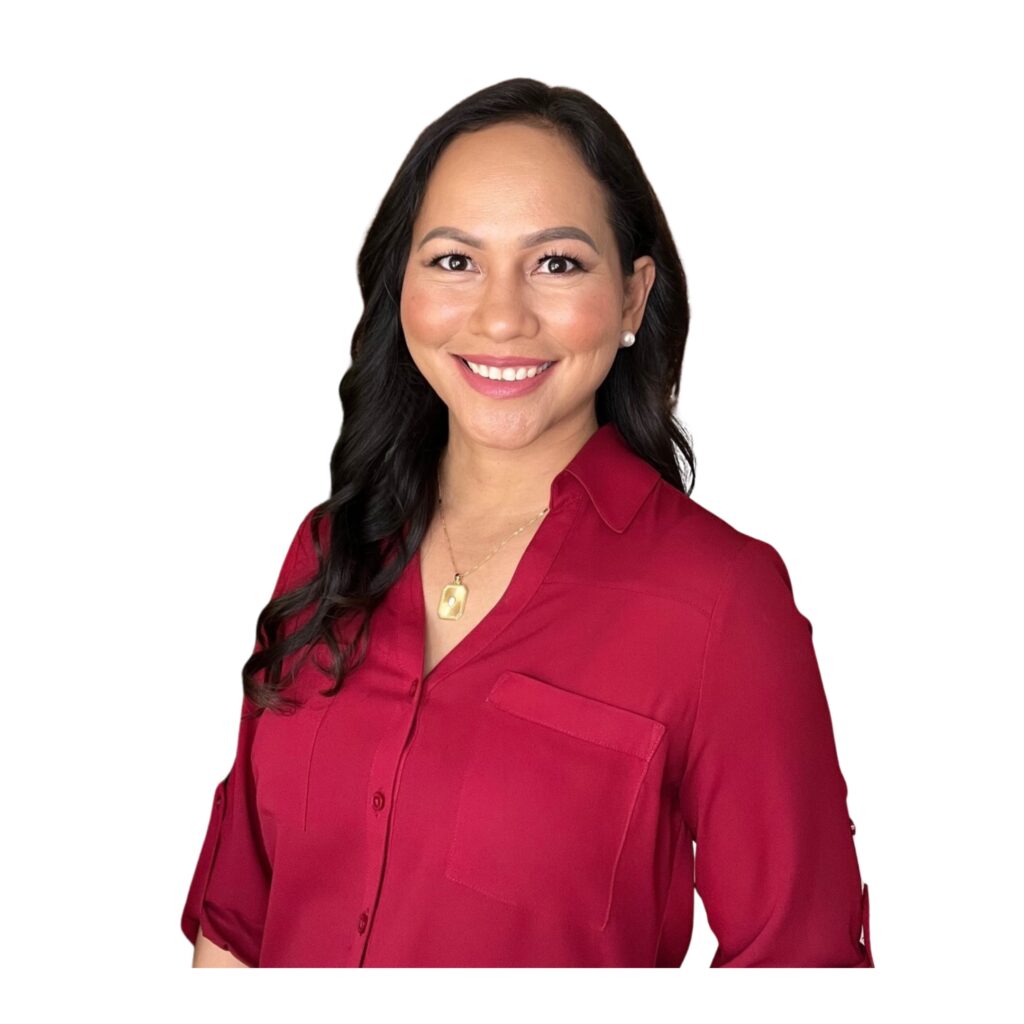
CHRISTINE ALMARINES
Real Estate Agent | CA Real Estate Group | Caliber Real Estate
📱 714-476-4637
📧 christine@carealestategroup.com
DRE #01412944
Christine Almarines is a top real estate agent in Buena Park and Cerritos helping homeowners sell in Orange County and Los Angeles County.
This article is for general educational purposes and is not legal, lending, financial, tax, inspection, appraisal, school enrollment, or other professional advice. Real estate contracts, financing, costs, inspections, contingencies, timelines, school information, and transaction requirements vary. Buyers should independently verify information important to their purchase and consult the appropriate professionals.
If you’re trying to figure out how to buy a house but have absolutely no idea where to start, you’re not alone.
For most people, purchasing a home will be one of the largest financial decisions they make. Between mortgage financing, house hunting, making an offer, inspections, appraisal, escrow, contractual deadlines, and closing, there are a lot of moving parts.
That’s exactly why understanding the home-buying process before you start looking at houses is so important.
Hi, I’m Christine Almarines with CARE Group at CA Real Estate Group. I’ve been in the real estate industry for over 20 years, and I’ve assisted many buyers through the process of purchasing a home.
My job isn’t simply to help you find a house.
I want to help you understand what you’re doing, protect your interests throughout the transaction, and make informed decisions from the beginning of your home search all the way until you receive the keys.
Here’s how the process works.
The home-buying process generally starts with understanding your finances and getting prepared for a mortgage. From there, you’ll define what you’re looking for, search for homes, make an offer, complete inspections and other investigations, work through financing and appraisal, meet your contractual and escrow requirements, and complete the transaction before receiving your keys.
One of the first things I want a buyer to do is understand their financing.
It’s tempting to start scrolling through homes online and scheduling showings immediately.
But there’s an important question we should answer first:
What can you comfortably and realistically afford?
Working with an appropriate mortgage professional can help you understand your potential financing options and estimated housing costs.
And don’t look at just the purchase price.
Depending on your particular property and financing, your housing expenses may include things such as:
I want you to understand the bigger financial picture before you fall in love with a house.
Before seriously shopping for a home, I generally want my buyers to speak with a qualified lender and become properly prepared for financing.
A mortgage preapproval can help you better understand your potential purchasing power and financing options.
It can also become an important part of your offer when you find the right home.
Keep in mind that a preapproval isn’t a guarantee of final loan approval. Financing remains subject to lender requirements, underwriting, the property, and other conditions.
But getting financially prepared early can put you in a much better position than trying to figure everything out after you’ve already found a house you want.
Now we can start talking about the fun part:
What are you looking for?
Before we start house hunting, I want to understand your priorities.
How many bedrooms and bathrooms do you need?
Do you want a single-family home, condo, or townhome?
How important is commute time?
Do you need a particular amount of outdoor space?
Are there specific communities you’re considering?
How long do you expect to live in the property?
What features are necessities—and which ones are simply nice to have?
A successful home search isn’t about looking at the greatest number of houses.
It’s about identifying properties that make sense for your needs, goals, and budget.
When buyers fall in love with a property, it’s easy to focus entirely on the house.
But you’re not only buying a structure.
You’re buying into a location.
I want buyers to conduct appropriate research into factors that matter to them and could potentially affect their enjoyment of the property or future resale considerations.
That can include things such as the surrounding neighborhood, commute, nearby amenities, development, property-specific considerations, and schools when relevant to the buyer.
For school information in particular, buyers should verify information directly through appropriate school districts and other authoritative sources because boundaries, enrollment policies, and assignments can change.
The goal is to make sure you’re evaluating the entire purchase, not simply the kitchen you fell in love with.
Once you find the right home, the next step is deciding how to structure your offer.
This is where professional representation can become especially important.
A good offer strategy isn’t necessarily about offering the most money.
I want to evaluate the property, available comparable information, current market conditions, competition when known, your financing, your goals, and the terms of the transaction.
Then I can help you develop an offer strategy designed to make sense for you while also considering what may be important to the seller.
That’s what I mean by trying to create a win-win transaction for both buyer and seller.
Price is important, but it isn’t the only part of an offer.
Depending on the transaction, deposits, financing, contingencies, timing, and other contractual terms can also matter.
Getting your offer accepted is exciting.
But it’s not the end of the home-buying process.
In many ways, it’s the beginning of the transaction.
Once the contract is accepted, escrow is opened and the contractual process begins.
There may be an initial deposit required according to the terms and deadlines in your agreement.
There are also important dates and responsibilities that need to be tracked throughout escrow.
This is one of the reasons I take contractual deadlines seriously.
Missing an important deadline can have consequences, and your contractual rights and deposit protections depend on the agreement and circumstances.
After your offer is accepted, inspections and other investigations may become an important part of your due diligence, subject to your contract and circumstances.
Depending on the property, buyers may consider a general home inspection and potentially other specialized inspections.
An inspector may identify issues that weren’t obvious when you toured the home.
Then we need to understand what those findings mean.
Not every inspection item is necessarily a major problem, and not every issue automatically means the seller must repair it.
What can be requested, negotiated, or addressed depends on your contract, contingencies, findings, and circumstances.
My role is to help you navigate the real estate portion of that process while qualified inspectors and other appropriate professionals advise you within their areas of expertise.
If you’re financing the purchase, your lender may require an appraisal.
An appraisal is different from a home inspection.
A home inspection generally evaluates aspects of the property’s condition within the inspector’s scope.
An appraisal generally provides the lender with an opinion of the property’s value for the lending process.
Those are two different purposes, and buyers should understand the distinction.
During escrow, several things can be happening simultaneously.
Your lender may be working on your loan.
Inspections and investigations may be taking place.
An appraisal may be ordered.
Documents may need to be reviewed.
Contractual deadlines may be approaching.
Escrow may need information.
Questions may arise between the parties.
This is where communication becomes extremely important.
I stay involved and communicate with the appropriate parties throughout the real estate transaction to help keep the process moving and to represent my buyer’s interests.
One important tip:
Don’t make significant financial changes during escrow without first discussing them with your lender.
Something that seems unrelated to your home purchase could potentially affect your financing.
As you approach closing, there are still important steps remaining.
Depending on the transaction, one of those may be your final walk-through.
The final walk-through is not simply another opportunity to inspect the house from scratch. Its purpose and your rights depend on the contract and circumstances.
You’ll also work through the remaining escrow and lending requirements before closing.
Then comes the moment you’ve been waiting for:
Getting the keys to your new home.
But my relationship with a client doesn’t need to end when I hand over the keys.
My goal is to become a trusted real estate resource you can come back to when you have questions about your home, the market, or your next move.
Buying a home involves much more than finding a property online and submitting an offer.
You’re dealing with a major financial transaction, contractual obligations, negotiations, deadlines, inspections, financing, appraisal, escrow, and numerous decisions along the way.
That’s why choosing the right representation matters.
When I represent a buyer, my goal is to help them understand the process and make informed decisions while representing their interests within the transaction.
I want you asking questions.
I want you understanding what you’re signing.
And I want you to know why we’re taking each step, rather than simply being told what to do.
A good starting point is understanding your finances and speaking with an appropriate mortgage professional about potential financing and preapproval.
From there, I can help you define your home search and begin evaluating properties.
Getting financially prepared before seriously shopping can help you understand your potential purchasing power and may help when you’re ready to submit an offer.
A preapproval is not the same as guaranteed final loan approval.
There isn’t one answer for every buyer.
The amount depends on factors such as the property’s price, loan program, down payment, closing costs, reserves, and other expenses.
A qualified lender can evaluate your individual financial circumstances.
Not necessarily.
Different financing programs may have different down-payment requirements. Eligibility and terms vary, so buyers should discuss available options with an appropriate lender.
The transaction moves into the next phase, which may include opening escrow, submitting the deposit according to the contract, inspections and investigations, financing, appraisal, document review, and satisfying contractual and lender requirements before closing.
Inspections can provide important information about a property’s condition. Which inspections are appropriate depends on the home and transaction.
Buyers should understand their contractual investigation rights and obtain advice from appropriate qualified professionals.
A home inspection generally focuses on aspects of the property’s condition within the inspector’s scope.
An appraisal generally provides an opinion of value used as part of the lending process.
They serve different purposes.
Depending on your contract and circumstances, you may be able to request repairs, credits, or other solutions.
A request does not automatically mean a seller is required to agree.
There isn’t a universal timeline.
How long it takes to find a home and complete a transaction depends on your search, financing, market conditions, contract, property, escrow, and other circumstances.
If you’re obtaining financing, avoid making significant financial changes without discussing them with your lender.
For example, opening new credit accounts, making major purchases, changing employment, or moving significant funds could potentially affect your financing depending on your circumstances.
Representation arrangements and requirements vary, but purchasing a home involves contracts, negotiations, deadlines, inspections, financing, and other significant decisions.
If you’re considering professional representation, understand the services being provided, the representation agreement, and how compensation works before proceeding.
A competitive offer involves more than price.
Depending on the transaction, financing, deposit, contingencies, timing, and other terms can influence an offer.
The goal should be to develop a competitive strategy without blindly giving up important protections or taking risks you don’t understand.
If you’re thinking about buying a house and don’t know where to start, don’t start with the house.
Start with preparation.
Understand your finances.
Learn the process.
Determine what you need.
Get appropriately prepared for financing.
Then begin your home search with a strategy.
Once we find the right property, I can help you navigate the real estate process from the offer through escrow while you work with the appropriate lending, inspection, escrow, and other professionals involved in your transaction.
Buying a home can involve a lot of moving pieces.
You don’t have to figure out the entire process by yourself.
If you’re thinking about buying a home and want to start preparing now, I’ve created a Buyer Course to help you better understand the home-buying process before you have money on the line.
Access my Buyer Course HERE.
Use the course to start preparing, and when you’re ready to begin your home search, contact me so we can discuss what you’re looking for, your timeframe, your financing, and your goals.
I’m Christine Almarines with CARE Group at CA Real Estate Group.
I’ve been in the real estate industry for over 20 years, and my goal is to help you navigate the home-buying process from preparing for your purchase all the way to getting the keys.
And remember:
No one cares how much you know until they know how much you care.
CHRISTINE ALMARINES
Real Estate Agent | CA Real Estate Group | Caliber Real Estate
📱 714-476-4637
📧 christine@carealestategroup.com
DRE #01412944
Christine Almarines is a top real estate agent in Buena Park and Cerritos helping homeowners sell in Orange County and Los Angeles County.
This article is for general educational purposes and is not legal, lending, financial, tax, inspection, appraisal, or other professional advice. Real estate contracts, financing, inspections, contingencies, costs, timelines, and transaction requirements vary. Consult the appropriate licensed professionals regarding your individual circumstances.
Please fill out the form below and we will be contacting you shortly
with information about your home.