Keeping Current Matters

As a homebuyer, it’s important to plan and budget for the expenses you’ll encounter when you purchase a home. While most people understand the need to save for a down payment, a recent survey found 41% of homebuyers were surprised by their closing costs. Here’s some information to help you get started so you’re not caught off guard when it’s time to close on your home.

What Are Closing Costs?

One possible reason some people are surprised by closing costs may be because they don’t know what they are or what they cover. According to U.S. News and World Report:

“Closing costs encompass a variety of expenses above your property’s purchase price. They include things like lender fees, title insurance, government processing fees, upfront tax payments and homeowners insurance.”

In other words, your closing costs are a collection of fees and payments made to a variety of individuals and organizations who are involved with your transaction. According to Freddie Mac, while they can vary by location and situation, closing costs typically include:

How Much Will You Need To Budget for Closing Costs?

Understanding what closing costs include is important, but knowing what you’ll need to budget to cover them is critical to achieving your homebuying goals. According to the Freddie Mac article mentioned above, the costs to close are typically between 2% and 5% of the total purchase price of your home. With that in mind, here’s how you can get an idea of what you’ll need to cover your closing costs.

Let’s say you find a home you want to purchase for the median price of $350,300. Based on the 2-5% Freddie Mac estimate, your closing fees could be between roughly $7,000 and $17,500.

Keep in mind, if you’re in the market for a home above or below this price range, your closing costs will be higher or lower.

What’s the Best Way To Make Sure You’re Prepared at Closing Time?

Freddie Mac provides great advice for homebuyers, saying:

“As you start your homebuying journey, take the time to get a sense of all costs involved – from your down payment to closing costs.”

The best way to understand what you’ll need at the closing table is to work with a team of trusted real estate professionals. An agent can help connect you with a lender, and together they can provide you with answers to the questions you might have.

Bottom Line

In today’s real estate market, it’s more important than ever to make sure your budget includes any fees and payments due at closing. Work with a local real estate professional to be sure you have the knowledge you need to be confident going into the homebuying process.


🙌 We can help make sure you’re not surprised by closing costs. DM us with any questions you may have.

If you’re thinking about selling and want to know how your home should be positioned in today’s market, I’d be happy to help.

How Much Is My Southern California Home Worth?How to Sell Your Home in Southern California FastBuy a Home in Southern California with Confidence
Christine Almarines top Cerritos real estate agent serving Buena Park, Orange County, and Los Angeles County homeowners
CHRISTINE ALMARINES
Real Estate Agent | CA Real Estate Group | Caliber Real Estate
(714) 476-4637  |  christine@carealestategroup.com  |  DRE #01412944
Christine Almarines is a top real estate agent in Buena Park and Cerritos helping homeowners sell in Orange County and Los Angeles County.
inspectaproperty.com | September 25, 2018

By Tony Escamilla

As we usher off a very hot (and fun) summer, it’s time to welcome the upcoming fall and the colder, wetter weather that comes with it. This is the perfect time to check off a few fall home maintenance items around your house. Then you can sit back and rest assured that your home is in good shape. Below is a quick checklist of home maintenance items you should be able to tackle in a few hours on a weekend. It’s time well spent that will give you peace of mind and prevent unwanted expensive surprises.

ROOFS & GUTTERS

1. Check for damaged, loose, or missing shingles. If you’re not comfortable climbing on ladders, this may be a job for a roofer or a local handyman.

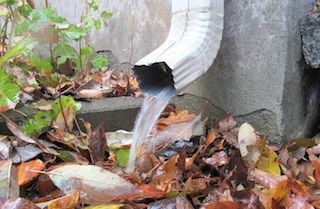
2. Check for leaking, rusted, misaligned or damaged gutters & downspouts and clean them. Be sure the downspouts direct water at least 3 feet away from your foundation.

3. Cut back tree limbs growing on or over the roof or near any windows or power lines. If the trees are too close to the power lines, it’s best to let a professional tree trimmer handle it.

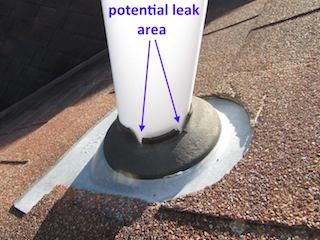
4. Check flashings around vent pipes, skylights, and chimneys. This is by far the biggest source of roof leaks. Roofing tar and a spatula are all you need.

EXTERIOR WALLS

1. Check painted wood surfaces for flaking paint. Patch and paint as needed.

2. Cut back and trim shrubbery against sidewalls. This tends to deteriorate wall surfaces and is a haven for rodents.

3. Maintain grading (soil) sloped away from foundation walls. This is a potentially significant problem during heavy rain.

DOORS & WINDOWS

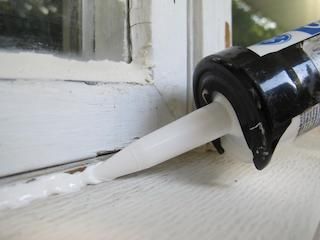
1. Check the caulking around doors, windows and window sills. This is the #1 source of rot damage. Re-caulk as needed.

2. Check weather-stripping around doors and windows. This is a potential area of heat loss.

INTERIOR

1. Close crawl space vents in fall/winter and open in summer. This is a huge energy saver in cold weather.

2. Check to make sure that the damper of your fireplace seals tightly. Air loss through chimneys is very common. Don’t pay to heat the outdoors.

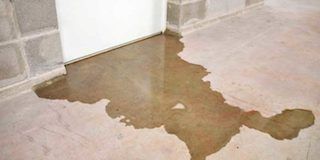
3. Check the basement for dampness and leakage after wet weather. There are many reasons for moisture penetration into basements, such as hydrostatic pressure behind retaining walls and improper exterior site drainage. The sooner you spot it, the less expensive it will be to fix it.

4. Replace batteries in carbon monoxide detectors and smoke alarms. Change old-style smoke detector batteries, or better yet, install newer style detectors with 10-year batteries.

HEATING & COOLING

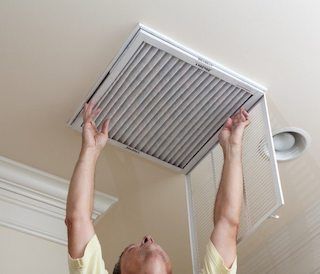
1. Change or clean furnace filters, air conditioner filters, electronic filters as needed.

2. Clean around cooling equipment, removing leaves, dust, overgrown shrubbery, debris. The cleaner your system is, the more efficient it will operate.

3. Cover or remove the AC window unit for the fall/winter. Again, this is a potential source of air loss and moisture penetration.

PLUMBING

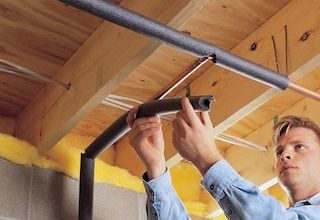
1. Exposed exterior water lines and drains should be wrapped with insulation. Water lines under the house, in the crawlspace, should also be insulated for energy efficiency.

ELECTRICAL

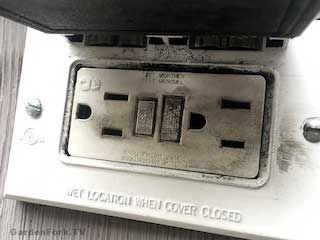
1. Check exterior ground fault interrupters (GFCI) for proper operation. You can buy an inexpensive GFCI tester at any hardware store.

2. Check any exposed wiring and cables for wear or damage. Replace as needed.

KNOW THE LOCATION OF IN CASE OF EMERGENCY (Year-round)

1. The main water shut-off valve. This should be opened and closed at least once a year to assure proper functioning.

2. The main electrical disconnect or breaker, in case you need to shut it off or reset a tripped breaker.

3. The electrical panel box for breakers or fuses.

4. All fire extinguishers in the house. You do have extinguishers, right?

Believe me, this may seem like a long list, but you can easily make this into a family affair and have the kids or your spouse handle some items while you handle the others. After inspecting over 8,000 homes, I can’t emphasize how much regular maintenance can prevent costly repairs or replacements in the future. Good luck and as always, please don’t hesitate to call or email me with any questions.


Tony Escamilla is the founder of Villa Home Inspections. He founded Villa Home Inspections 23 years ago in 1998. With a background as a general contractor since 2000, Tony has been in the construction industry for many more years. He has personally performed over 8,000 inspections throughout Los Angeles, Orange, and San Bernardino Counties.

Here are seven effective methods (all-natural!) that will help you eliminate cooking smells and keep the complaints from your family at bay.

Realtor.com | Aug 15, 2022

Home cooking is the best … except when the smell of your curry dinner lingers for days (or weeks?) after you’ve finished the meal.

The truth is, cooking at home can result in a potpourri of stubborn odors in your kitchen. After a while, the rich aroma of roasting lamb can curdle into the stale stench of fatty mutton.

So how can you 86 all these lingering cooking smells? For starters, turn on the range hood fan right off the bat, to ventilate your kitchen while you cook. And we highly advise against lighting scented candles, which will just add another heavy layer of odor. Instead, try one of the following methods, which have been proven to banish stinky cooking smells quickly.

1. Slow boil a simmer pot

The head chef of HelloFresh, Claudia Sidoti, combats icky odors after she cooks with a simmer pot of several aromatic blends based around citrus, which cuts through unpleasant smells.

She combines the ingredients—either 1) orange, cinnamon sticks, and cloves; 2) lemon, rosemary, and vanilla beans; or 3) orange, cranberries, and pine twigs—with three cups of water in a pot. She brings it all to a boil and then lowers the pot to a simmer.

The fresh and slightly sweet scent will cut through other smells and linger pleasantly in the room. But be careful! “Once the water evaporates, the citrus can easily burn,” says Sidoti.

2. Break out the essential oils

A great way to neutralize offensive smells is by introducing purifying essential oils in your kitchen. Use a spray bottle filled with water and about eight to 10 drops of either lemon, eucalyptus, or lavender essential oils. Then lightly mist the mixture into the air.

“Or if you want to create a DIY diffuser with what you have on hand in the kitchen, you can soak some cotton swabs in vanilla and place them around your countertop for a quick, pleasant scent,” says Dr. John Gilmer, PhD and food/cooking/nutrition expert at ActiveIron.com.

3. Neutralize with vinegar

If a cooking smell really persists, you need to step up your game and clean your kitchen cooking surfaces and countertops with vinegar, a remarkably effective cleaner and deodorizer. “Vinegar is an acid, and acid degrades the other lingering odors,” says Abe Navas, general manager of Emily’s Maids, a house-cleaning service in Dallas.

Let the vinegar soak into surfaces for 15 minutes, and then clean again with soapy water. Rinse with lots of clean water.

4. Clean up quickly before and after dinner

After you’re done cooking, cleaning up immediately is a great way to chase away odor, according to Kealia Reynolds, an editor at HouseMethod.com. “Cleaning up right away prevents smells from aging and becoming more pungent on your kitchen surfaces,” she says.

Place all strong-smelling meat and vegetable castoffs, such as onion peels, fish skin, and garlic, into a plastic bag inside a closable trash can. Take the trash outside rather than leave it in the kitchen overnight.

Rinse all cutting boards the moment you’re done with them. If you’ve cut garlic, onions, or other strong-smelling foods on a cutting board, the scent can seep into the surface and last for days if not cleaned properly—and quickly. Stick plastic cutting boards in the dishwasher for a deep clean, and use half of a lemon sprinkled with salt to clean wooden cutting boards.

And after the meal has been served, rinse and wash all the dishes as soon as possible.

5. Absorb strong odors overnight

If you are too exhausted after cooking a huge meal to do a massive kitchen cleanup, let items from your pantry work for you as you snooze.

“Leave a small bowl of white vinegar, coffee grounds, or baking soda out overnight on the counter,” says Gilmer. Each of these items are great at absorbing smells.

Another nighttime tip? Be sure to close your bedroom and closet doors before you turn in. “These rooms are full of odor-absorbing fabrics that will cause smells to permeate your home,” Gilmer adds.

6. Deep-clean the drain

Many of those displeasing kitchen smells may be coming from your sink, where odors can get trapped. “We recommend freshening your kitchen drain monthly,” says Jenn Nicken, founder of The Chef & The Dish, a global marketplace with chefs around the world via Skype. “Simply put about half a cup of baking soda into your kitchen drain, then pour one cup of vinegar into the drain. Let sit for 15 minutes, then run hot tap water for 60 seconds.”

7. Manage the microwave

The microwave is guilty of trapping odors, in the form of splattered sauce and hardened food scraps. Be sure to wipe down the inside of your microwave a couple of times a week.

“And if you have lingering smells in your microwave, use a few drops of lemon essential oil and wipe down the interior of the appliance,” Reynolds says.


Reator.com | Jun 19, 2022

If you’re raring to buy a home, chances are you’ll need a mortgage. But which kind of mortgage should you get?

Home loans aren’t one size fits all, but come in a variety of forms to suit home buyers in different circumstances. One good place to start figuring out your options is a mortgage calculator, where you can plug in various home prices and and have this sum broken down into monthly payments. Still, in addition to a home’s price, you should carefully consider the type of loan you get.

Two of the main types of mortgages home buyers consider getting are a fixed-rate mortgage and an adjustable-rate mortgage, or ARM.

So what’s the difference between these two types of home loans? In a nutshell, a fixed-rate mortgage has an interest rate that stays the same over the life of the loan. An ARM, by contrast, has an interest rate that changes over time.

Before you seek out mortgage pre-approval, let’s break down the pros and cons of each loan so you can decide which one is right for you.

Fixed-rate mortgage

According to Wells Fargo Home Mortgage Area branch manager Chris Jurilla, the majority of homeowners tend to prefer fixed-rate mortgages. And for good reason: A fixed interest rate means your mortgage payments remain steady over the life of your loan.

“Fixed-rate mortgages provide more long-term stability,” Jurilla says. “And with rates still low, borrowers prefer the security of not risking a rate increase or adjustment if the market were to turn.”

If you’re a home buyer with steady employment who wants to put down roots in a community, a fixed-rate mortgage might appeal to you. This kind of loan is also advantageous to people approaching retirement, because the fixed payments make it easier to plan their finances.

The pros of a fixed-rate mortgage:

  • Predictability: The interest rate doesn’t change for the life of the loan, giving home buyers peace of mind.
  • Fixed costs: You can budget more easily as the rate and payments remain constant.
  • Straightforward numbers: The math involved with figuring out your loan is way easier than for an ARM.
  • Stability: This predictable loan is more appealing for the risk-averse.

And the cons:

  • You’re locked in: You won’t be able to take advantage of falling interest rates without refinancing.
  • Your borrowing has a ceiling: You may not qualify for as much house as you would like, because those mortgage payments are typically higher.

Adjustable-rate mortgage

An ARM starts out at a fixed, predetermined interest rate, likely lower than what you would get with a comparable fixed-rate mortgage. However, the rate adjusts after a specified initial period—usually three, five, seven, or 10 years—based on market indexes. If those indexes go up, your payment will go up, too (sometimes way up).

If you’re a more mobile or first-time home buyer who wants to keep your long-term options open, an ARM’s low introductory interest rate is certainly tempting. As long as you’re ready to move on before the introductory period ends, you’ll benefit from the advantage of making lower payments while you’re living in the home. And because your lender will be qualifying you based on a lower monthly payment, you could qualify for a more expensive house than you would with a fixed-rate mortgage.

“ARMs are best suited for investors or home buyers who have short-term ownership goals in mind,” says Jurilla. “Most opt for an ARM if they don’t foresee themselves staying in the home for an extended period of time. There are some who use it as a stepping-stone loan, a short-term solution with a lower monthly payment.”

The pros of an ARM:

  • Low initial rate: There are lower rates and payments early in the loan term than in a traditional fixed-rate mortgage.
  • You can borrow more: You have a chance of being approved for a more expensive house because your lender will look at the lower payment when qualifying you for the loan.
  • Falling rates: Some ARMs allow you to automatically take advantage of lower rates without the hassle and expense of refinancing.

And the cons:

  • Unpredictable rates: After the introductory term, payments and rates can rise substantially. However, if market indexes go down, that doesn’t necessarily mean your mortgage payments will, too. Be sure to read the fine print on your mortgage.
  • Complicated mortgage agreements: You’ll need to understand the complex terms of your agreement, such as margins, caps, and adjustment indexes.
  • Math and more math: You have to put in significantly more work to figure out the math of an ARM and how it could potentially affect your budget.
  • Prepayment penalty: You can’t pay off your loan for the number of years specified in your agreement. So if interest rates jump while you still have a prepayment penalty in place, you can’t refinance or sell your home without incurring a huge cost.

Choose the loan that’s best for you

The 30-year fixed-rate mortgage is the most popular in America, but that doesn’t mean it’s perfect for you. An adjustable-rate mortgage can work well for many young or financially savvy homeowners. Still, many borrowers would rather deal with the stability of a fixed rate than the fluctuating payments of an ARM.

So, who wins? Either mortgage can—it all depends on your individual circumstances. Talk to a mortgage lender or mortgage broker to learn more about which one is right for you. And be sure you understand each loan’s terms, and always compare rates before signing onto a mortgage.

ListReports | Aug 4, 2022

“Depreciation” and “Deceleration” are two similar but different terms that you may be seeing in headlines right now.

If you follow the news you may be reading headlines right now that give the impression that home prices are going to take a dive. The reality is that this isn’t completely accurate, and headlines don’t provide a full picture into what’s going on. If you have questions about the market and current trends I’m here to help shed some light.

Leave us a comment or call us and let’s start the conversation!

📞 Call us today!

If you’re thinking about selling and want to know how your home should be positioned in today’s market, I’d be happy to help.

How Much Is My Southern California Home Worth?How to Sell Your Home in Southern California FastBuy a Home in Southern California with Confidence
Christine Almarines top Cerritos real estate agent serving Buena Park, Orange County, and Los Angeles County homeowners
CHRISTINE ALMARINES
Real Estate Agent | CA Real Estate Group | Caliber Real Estate
(714) 476-4637  |  christine@carealestategroup.com  |  DRE #01412944
Christine Almarines is a top real estate agent in Buena Park and Cerritos helping homeowners sell in Orange County and Los Angeles County.

Does your washer give off a stinky odor?  Usually the icky smell comes from build up of detergent and moisture so mold and mildew grow. Saturating an area in vinegar is a great way to prime spaces for easier cleaning with 10 to 30 minutes of soaking. Let’s double down and add baking soda action to this!

View this post on Instagram


A post shared by Nicole Jaques | Trendy Recipes + Kitchen Hacks + Cleaning Tips (@theboardhousewifepdx)

realtor.com | 07/24/2022

With summer and hot weather upon us, you’d better make sure your HVAC system is in tip-top shape.  No need to call in the pros; here’s a DIY instructional video to help you clean your air-conditioner coils yourself!

Keeping Current Matters | Jul 15, 2022
Should I Rent or Should I Buy? [INFOGRAPHIC] | MyKCM

Some Highlights:

If you’re thinking about selling and want to know how your home should be positioned in today’s market, I’d be happy to help.

How Much Is My Southern California Home Worth?How to Sell Your Home in Southern California FastBuy a Home in Southern California with Confidence
Christine Almarines top Cerritos real estate agent serving Buena Park, Orange County, and Los Angeles County homeowners
CHRISTINE ALMARINES
Real Estate Agent | CA Real Estate Group | Caliber Real Estate
(714) 476-4637  |  christine@carealestategroup.com  |  DRE #01412944
Christine Almarines is a top real estate agent in Buena Park and Cerritos helping homeowners sell in Orange County and Los Angeles County.

(714) 476-4637 | christine@carealestategroup.com

We love quaint and charming Old Town Seal Beach, Main Street with all its shops and restaurants, and of course, the beach, pier, jetty, surf, and everything in the sun! Check out our blog for a collection of the best things to do and see in and around Old Town Seal Beach.

Many travel bloggers write about Old Town Seal Beach because of the quaint charm that it has.  We loved how TanamaTales.com described the gem of Seal Beach:

If you are looking for underrated beach towns in California, check out the best things to do in Seal Beach!

California’s beach towns are famous all over the world. A lot of visitors come to our shores in search of the lifestyle and vibe that is presented in TV shows and movies.

On the contrary, residents and connoisseurs of the area miss the authenticity many towns had before the booming age of travel. It has been said that ‘Old California’ does not exist anymore near big population centers.

But, I digress. I have found my slice of ‘Old California’ not that far from Los Angeles.

Enjoy your day in Old Town Seal Beach.  We love it and hope that you do too!

THINGS TO DO IN SEAL BEACH

The Community & Visitor’s Guide published by Seal Beach’s Chamber of Commerce includes a Old Town Seal Beach Map and Walking Tour on page 14 for your enjoyment.

VacationIdea.com gives their take on the 12 Best Things to Do in Seal Beach, California

DayTrippen.com brings all the best of Seal Beach in a day in Seal Beach Day Trip Things To Do

Check out the newly finished River’s End Park featuring a paved pedestrian/biking recreational trail that meanders through the park connecting the San Gabriel River Bike Trail to the First Street/Ocean Avenue intersection at the First Street Beach Parking Lot entrance.  There’s a nature trail, playground, access to the jetty and water, picnic tables, and it’s a romantic spot for sunset gazing with unobstructed views according to CA Real Estate Group‘s very own Christine Almarines!  Her Instagram page is dotted with photos and videos of breathtaking sunset views!

SEAL BEACH RESTAURANTS

TripAdvisor ranks the Best Restaurants in Old Town Seal Beach!

Little outdated, but a fun site by ThingsToDoPost.org to see the well organized reviews and scores of what people are saying in this Seal Beach Food Guide.  (Call before heading over!)

WHERE TO PARK IN SEAL BEACH

There is plenty of free parking on the city’s streets.  Now, if you choose this parking option, pay attention to time restrictions.  Most spots have a 1 or 2-hour limit.

Public lots (next to the pier and at the end of 1st Street) allow you to park for a longer period of time.  You pay according to the time spent on site.  These lots allow you to pay (and extend your time) from your phone (you need to download the application though).


Enjoy these helpful real estate tips and advice in this month’s edition of Insights in Real Estate:

1️⃣ Buyers Consider ARMs as Interest Rates Rise
2️⃣ Making an Offer on a House That’s Contingent
3️⃣ Which Amenities Are Buyers Seeking?
4️⃣ Tapping Home Equity
5️⃣ Don’t Skimp on Home Inspections

Find more helpful real estate insights, homeownership updates, and money talk newsletters in our archive.

💡 Find out if we’re the right Realtor Team for you! Check out @carealestategroup

If you’re thinking about selling and want to know how your home should be positioned in today’s market, I’d be happy to help.

How Much Is My Southern California Home Worth?How to Sell Your Home in Southern California FastBuy a Home in Southern California with Confidence
Christine Almarines top Cerritos real estate agent serving Buena Park, Orange County, and Los Angeles County homeowners
CHRISTINE ALMARINES
Real Estate Agent | CA Real Estate Group | Caliber Real Estate
(714) 476-4637  |  christine@carealestategroup.com  |  DRE #01412944
Christine Almarines is a top real estate agent in Buena Park and Cerritos helping homeowners sell in Orange County and Los Angeles County.

Thanks!

Please fill out the form below and we will be contacting you shortly
with information about your home.

Personal Info
Home Address
Message