The simple answer is: yes, a porch can increase your home value. But not just any porch — the space must be well-designed, functional, and attractive.
Here are two great resources to consult on how to transform your porch into a warm and inviting entry way to your home sweet home!
30 Cozy And Beautiful Small Front Porch Ideas You Will Love
The Creatives Hour | Sep 3, 2024
A small front porch, despite its limited space, can significantly enhance the curb appeal and functionality of a home. These porches are typically compact entry areas or seating spots, making creative use of the available square footage. Design strategies for these spaces often focus on optimizing usability while maintaining aesthetic charm, from selecting appropriate furnishings to choosing the right color schemes.
Incorporating thoughtful details into a small front porch can transform it into a welcoming and stylish entrance. Whether it’s through the clever use of vertical gardening, multipurpose furniture, or vibrant accents, each choice is crucial in maximizing both the practicality and attractiveness of the area. These design ideas not only elevate the porch itself but also contribute to the overall ambiance of the home’s exterior.
56+ Aesthetic Small Front Porch Decor Ideas (2025) Doctor Explains | Nov 9, 2024
Creating a beautiful front porch is one of my favorite ways to make a welcoming first impression. A well-designed porch not only enhances your home’s curb appeal but also sets the tone for the rest of your home. Whether you love bold colors, elegant decor, or a rustic feel, there’s something special about each design that can inspire you to create your dream front porch.
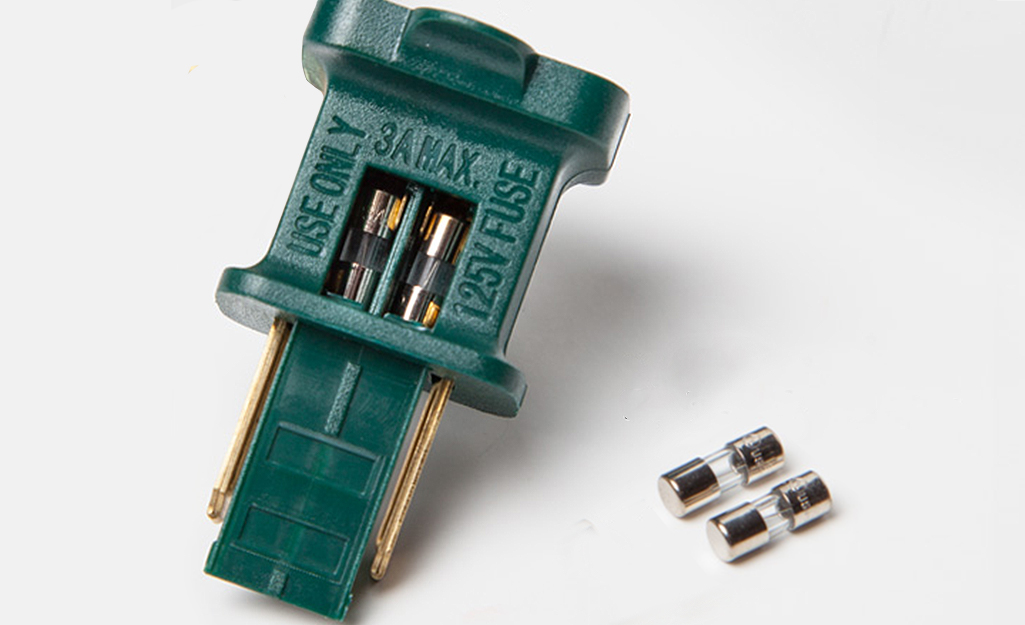
Christmas was three weeks ago and you’ve probably already taken down your string lights for the season, BUT WAIT! Before you do anything else, if you don’t know what’s hidden in this secret compartment, YOU NEED TO KNOW THIS! 🙂
This is Jen. You might know me as CA Real Estate Group’s Client Services/Ops Director, aka Christine’s assistant.
Well, we have stringed lights in our patio and when my husband went to turn them on yesterday, he “blew a fuse” and “shorted something” (his words; not mine) and now our pretty, twinkling lights in our patio weren’t working…not even one bulb. I was ready to order another set from Amazon but I thought I’d do some research on what exactly happened and if it can be corrected without paying for another set.
Not far into my research and I find this entry in ifixit.com:
Okay, so I found my answer. If I replace the fuse, I should be able to get the whole strand working again!
Now how do you replace the fuse?
I found this wonderful YouTube video that taught me how to locate the fuse and how to replace it! I was like, “Noooohhh…it can’t be THAT easy! Can it?!?!”
I tried it just like the video taught me and with little to no faith at all, I plugged in the lights and THEY WORKED!!! I am officially TODAY YEARS OLD when I learned about extra fuses in a fuse box on the plug of stringed lights!!! I am beyond excited and needed to tell the world about this wonderful thing.
I hope this will help you to NOT throw away a perfect set of lights! Happy New Year, all!
Just in case this didn’t help solve your string lights problem, check out Home Depot’s DIY website for for other common issues with string lights and How to Fix Holiday Lights.
Clogged toilets are among the most common household plumbing issues encountered by homeowners. Not only do they cause inconvenience, but they can also lead to significant water wastage and even property damage if not addressed promptly. Fortunately, preventing these clogs is often simpler than one might think. Understanding what causes toilet clogs can help you take proactive measures to prevent them, ensuring your bathroom remains functional and hygienic.
Flow Pro Plumbing specializes in providing top-notch plumbing services, and our expertise can guide you through the best practices for maintaining a clog-free toilet. Explore essential tips and techniques that help prevent common toilet clogs, shedding light on how you can maintain your plumbing system effectively and avoid the hassle of unexpected blockages.
Know What Not to Flush
The first step in preventing toilet clogs is understanding what should not be flushed. Toilets are designed primarily for human waste and toilet paper, which are materials that disintegrate quickly in water. Many other common bathroom items do not break down and can quickly lead to clogs. These include:
Hygiene products such as feminine hygiene products, cotton balls, Q-tips, and dental floss.
Wet wipes, including those labeled as “flushable.” Despite their branding, these items do not disintegrate easily and are a common cause of blockages.
Paper towels and tissues are designed to be more durable than toilet paper and do not break down quickly in water.
Always keep a waste bin in the bathroom to dispose of these items properly. Educating everyone in your household about what should not go down the toilet is a crucial step in avoiding unnecessary clogs.
Regular Maintenance is Key
Routine maintenance is central to keeping your toilet functioning properly. This doesn’t just mean fixing problems as they arise, but actively working to keep your plumbing in good health:
Frequent Checks: Regularly inspect your toilet for early signs of problems, such as changes in flushing efficiency or small leaks. Catching these issues early can prevent larger problems down the line.
Natural Cleaners: Consider using a mixture of baking soda and vinegar to clean and maintain your toilet lines. This natural solution can help dissolve minor build-ups without the harsh effects of chemical cleaners, which can sometimes damage plumbing components or exacerbate clog issues.
Professional Inspections: Have our professionals check your plumbing system annually. They can handle more profound issues like checking for pipe integrity or buildup deep within your system that could hint at future problems.
The Right Toilet Paper Matters
The type of toilet paper you use can also impact the likelihood of clogs. Single-ply toilet paper dissolves much more quickly and thoroughly, reducing the risk of clogs. In contrast, thicker, multi-ply toilet paper tends to dissolve more slowly and is more likely to contribute to blockages, especially in older or weaker plumbing systems.
If you’ve noticed frequent clogs and are using multi-ply toilet paper, consider switching to a single-ply option to see if it reduces the problem. While plush, luxurious toilet papers can be appealing, they are not always the best choice for toilet health, particularly in systems that are prone to issues.
Use Water Efficiently
Efficient water use is good for the environment and can help prevent toilet clogs. Newer low-flow toilets use less water per flush, which can sometimes contribute to clogs if not supplemented with effective flushing habits:
Dual Flush Toilets: If you are considering replacing your toilet, consider a dual flush model. This model offers one flush option for liquid waste and another for solids, helping conserve water while providing additional flushing power when needed.
Proper Flushing: Encourage household members to flush twice if necessary when disposing of larger amounts of waste, rather than trying to flush everything at once and risking a clog.
Avoid Overloading: Teach children the appropriate amount of toilet paper to use per flush. A visual guide near the toilet paper holder might help younger users gauge the right amount.
Educate and Enforce Good Habits
In addition to the technical tips, preventing toilet clogs often comes down to habits and behavior. Make sure all family members and guests understand what can and cannot be flushed. Posting a polite notice in guest bathrooms can be an effective reminder for visitors and can save you from dealing with a clogged toilet after hosting guests.
Parents should also supervise young children in the bathroom until they understand the proper use of toilet paper and flushing. Many clogs result from curious youngsters testing the flushing prowess of their toy fleet or entire rolls of toilet paper.
Finally, consider the layout of your bathroom. Ensure that non-flushable items like baby wipes or facial tissues are out of easy reach for those sitting on the toilet, with clear signage about where such items should go.
Stay Ahead of Toilet Troubles with Expert Care
Maintaining a clog-free toilet is crucial for the smooth functioning of your home’s plumbing system. By understanding what should and should not be flushed, performing regular maintenance, choosing the right toilet paper, and using water efficiently, you can prevent most common toilet clogs. However, some clogs can be stubborn or indicative of larger plumbing issues. In such cases, professional intervention may be necessary.
If you find yourself facing repeated plumbing problems or need professional toilet repair in Brentwood, CA, and beyond, do not hesitate to contact us. Our experienced technicians at Flow Pro Plumbing are equipped to handle any plumbing challenge, ensuring your system operates efficiently and remains clog-free. For professional help with your plumbing needs, reach out to us today and experience top-notch service dedicated to keeping your plumbing in excellent condition!
CA Real Estate Group is happy to refer our customers to the following plumbers in Orange County and Los Angeles for their guaranteed professionalism and fair rates.
Toma Plumbing
Roy Toma (Owner)
(714) 322-7621
rntoma87@gmail.com
State Lic #568059
Services Orange County and Los Angeles
Maverick Drain
Santos Monge (Owner)
(323) 742-4665
samplumbing12@gmail.com
Services Orange County and Los Angeles
For a professional plumbing referral near you, call or text CA Real Estate Group at (714) 476-4637.
New Year’s Eve traditions can be exciting for people across the globe. Below are some of the most common, organized by country of origin.
If you’re ringing in the New Year with loved ones, you may find it interesting to discover how traditions are carried out across the world. You might also become inspired to incorporate one of these customs into your own New Year’s Eve celebration.
From eating 12 grapes at midnight to jumping in the ocean, these traditions signify the beliefs and cultures of different people that are often tied to similar intentions. The many NYE traditions celebrated worldwide help unite people to promote hope and prosperity.
ARGETINA
Put Your Right Foot Forward
Take the first step into the new year with your right foot forward—literally. In Argentina, it’s believed that taking your first step with your right foot at midnight brings good luck.
BOLIVIA
Wear Red (or Yellow) Underwear
In Bolivia, the color of the underwear you’re donning as you enter the new year has a direct correlation to how it will go. Wearing red is supposed to bring love and passion into your life, while yellow or gold attracts money.
BRAZIL
Jump Seven Waves
In Brazil, it’s considered good luck to start the new year by jumping over seven waves. You get one wish for each wave, so be ready with your list for 2025!
Wear White
Some folks in Rio de Janeiro, Brazil, are used to wearing white on New Year’s Eve. The practice is rooted in the belief that wearing the color will attract peace for the coming year.
Tossing White Flowers in the Ocean
Brazilians have a custom of throwing white flowers into the sea each new year. Doesn’t that sound so romantic? Residents will toss flowers and candles into the Atlantic Ocean as offerings to Yemoja, a god of water who can pass along good things in the upcoming year.
CANADA
Take a Polar Bear Plunge
All around the world, people will be kicking off 2025 by running into freezing cold lakes and oceans. The tradition was started in Vancouver, Canada in 1920 by a group of swimmers who called themselves the Polar Bear Club. In the U.S., these events are usually held to raise money for charity.
CHINA
Red for Good Luck
Red is a color that denotes good fortune and happiness, and in China, it’s a hue that’s often attached to New Year’s. You’ll spot decorations, fans, gift packets, and lanterns in shades of red.
CHILE
Dine on Lentils
The Chilean superstition of consuming lentils at midnight stems from the round legumes’ resemblance to coins. Eating a good serving of lentils is believed to bring more money into your life.
Sleeping in the cemetery to be with deceased loved ones
In Talca, Chile, residents gather in local graveyards on the last night of the year. However, their New Year’s Eve traditions are not considered sad or negative occasions. Instead, people sleep in these graveyards to welcome the New Year with their departed loved ones. Families gather at the gravesites, often with food and drinks, to stay overnight right beside the graves of family members. Some people reflect quietly, while others celebrate with loved ones, sharing meals and making toasts to honor those no longer with them.
COLOMBIA
Carry an Empty Suitcase
Want to go places in 2025? Take a cue from the Colombians, who walk around the block carrying empty suitcases on New Year’s Eve to bring a year filled with travel.
Three Potatoes
On New Year’s Eve, Columbians place one peeled, one unpeeled, and one half-peeled potato under their beds. When the clock strikes midnight, they pull out the first potato their hand touches, and the potatoes symbolize different things: a peeled potato means financial ruin. An unpeeled potato promises a good year all around. And a half-peeled potato is a mix of good and bad for the year.
CZECH REPUBLIC
Cutting Apples
While we might be used to cutting up apples for a pie, in the Czech Republic, cut-up apples hold unique significance when it comes to New Year’s. On New Year’s Eve, residents will cut apples in half and the shape inside denotes what one can expect in the coming year. For instance, while a star is good, a cross can foretell a future illness.
DENMARK
Leap Into the New Year
Have you ever seen someone standing on a chair at your New Year’s Eve celebration? Chances are, they’re celebration with a particular Danish tradition in mind where you literally leap into the new year at midnight for good luck. Why not give it a whirl?
Smash Dishes
This Danish tradition is a great way to take out any pent-up anger you don’t want to bring into the year. Smashing old or unwanted dishes outside your loved ones’ doors on New Year’s Eve is supposed to bring them luck—the bigger the pile of broken dishes, the luckier they’ll be.
ECUADOR
Burn Some Photographs
Everyone who has gone through a nasty break-up is familiar with this ritual. In Ecuador, it’s common to find photos of things or old memories you don’t want to bring into the new year and burn them before midnight to avoid carrying them along with you.
Burning scarecrow effigies
In Ecuador, people build and burn scarecrows that signify the past year. Ecuadorians start by constructing scarecrow-like figures with old clothes, paper, wood, or other materials. As the clock strikes midnight, Ecuadorians come together and set the scarecrows on fire. This activity is meant to symbolize the end of the past year, with the figures often resembling disliked public figures or the past year’s events.
ESTONIA
Feast All Day
For those of you with stomachs that never feel full, this Estonian New Year’s superstition will be the one to follow. In Estonia, there’s a tradition of eating either seven, nine, or 12 meals on the last day of the year in order to begin the next one with the strength of the same number of men as meals you’ve eaten. The more you eat, the stronger you’ll be.
GERMANY
Pouring lead to predict the future
One of the most common classic New Year’s traditions in Germany is Bleigießen. It involves pouring molten metal to forecast the coming year’s fortunes. While historically lead was used, today, safer materials like tin or wax are used instead because of health concerns. People may melt these metals in a spoon over a flame and quickly pour them into cold water. The solidified metal forms random shapes, which people interpret in different ways to predict future events. Commonly seen shapes and their meanings include, for example, a ship for travel, a ball for good fortune, and a tree for growth.
Lucky Pig
Pigs? And New Year’s? There’s actually a connection between the two, at least in Germany. Germans call this custom “Glücksschwein,” which translates to “lucky pig.” Pigs appear as marzipan treats, and noshing on them can foster good fortune in the new year.
Eat Herring
Whether you like your herring pickled or fresh, eating it in some form at midnight is considered good luck in Germany and Sweden.
GREECE
Hang an Onion on Your Door
It might not look or smell the best, but in Greece, hanging an onion on your door on New Year’s Eve symbolizes rebirth heading into the new year. As for January 1, parents are said to tap the onion on their children’s foreheads to usher in prosperity for the 365 days ahead.
Baking a Coin into a Cake
On January 1st, people from Greece celebrate St. Basil’s Day with a special cake known as “Vasilopita,” which contains a single coin. The person who finds the coin is believed to be blessed with good luck for the new year.
Smashing Pomegranates
No matter what time of year it is, pomegranates are very important in Greece. In Greek mythology, the fruit represents abundance and life, things that are tied to New Year’s there. Just after midnight, Greeks will crush pomegranates against their doors—the number of seeds that fall to the ground symbolize how much good luck you can expect in the new year.
IRISH
Put Mistletoe Under Your Pillow
Mistletoe isn’t just a Christmas tradition. The Irish believe that if you put a sprig of mistletoe, holly, or ivy under your pillow on New Year’s Eve, you’ll dream of your future love.
Bang Some Bread
You’ve heard of breaking bread, but how about banging it? Families in Ireland have a New Year’s tradition of banging loaves of Christmas bread against the walls and doors to ward off evil spirits and pave the way for a healthy and prosperous new year.
ITALY
Tossing old items out of windows
Like South Africa, Italy also literally casts off the old to make room for the new. Italians might dispose of old items by throwing them out of windows. This act symbolizes saying goodbye to negative experiences and making resolutions for the coming year. While not as commonly practiced as it once was, the tradition remains in some areas. It’s especially done in southern parts of Italy, where anything from pots and pans to clothes may find its way onto the streets.
Lucky Lentils
Italy is almost always known for dishes like spaghetti and linguini, but during New Year’s celebrations, it’s all about the lentils. Italians see lentils as mini, edible “coins,” and if you include them in your New Year’s Eve dinner, they’ll bring some luck into your life.
JAPAN
Clean Your House Before Midnight
In Japan, there’s a New Year’s tradition called “osoji” or “o-souji,” which involves giving the house a thorough cleaning before midnight. This practice stems from the belief that a clean home helps purify the space and prepare it for a fresh start in the new year. We could all use that!
Eat Soba Noodles
People in Japan traditionally eat soba noodles on New Year’s Eve. According to the superstition, the meal will melt away the pain and difficulties of the previous year.
Ringing bells 108 times
In Japan, the New Year’s Eve tradition, Joya no Kane, involves striking temple bells 108 times as midnight approaches. This ritual is a symbolic way to get rid of 108 earthly temptations or evil spirits that, according to Buddhist beliefs, cause human suffering. Temples nationwide participate in this ceremony, often attracting locals and visitors to collect lucky charms and experience the ringing that is said to purify the soul for the coming year.
Watch the Sunrise
Watching the first sunrise of the new year is called “hatsuhinode” in Japan. This practice is thought to bring good fortune for the year ahead, and many people rise early to find a picturesque spot, such as a beach or hill, to enjoy the view.
LATIN AMERICA
Throw Water Out of a Window
In Latin America, one New Year’s tradition involves throwing a bucket of water out the window to signify cleansing and renewal. What better way to prepare for a new year than by leaving the past behind you?
MEXICO
Eating a grape with each bell strike and making a wish
In Mexico, as the clock nears midnight on New Year’s Eve, families and friends prepare a cup or bowl of 12 grapes. With each of the twelve strikes of the clock at midnight, individuals consume one grape for each chime. This custom, known as “Las Doce Uvas de la Suerte,” translates to “The Twelve Grapes of Luck,” and it’s more than a festive activity. As the clock’s bell rings, people make a wish for every grape eaten, which represents each of the 12 months.
NETHERLANDS
Eating desserts for good luck
In many cultures, eating round foods or ring-shaped foods is a common way to commemorate the end of the old year. In the Netherlands, it’s traditional to eat oliebollen, a dessert similar to a doughnut made of fried dough. The tradition, which started as a way to protect oneself from evil spirits during Yule, continues to this day, and oliebollen are now a staple New Year’s food for many Dutch people.
PHILIPPINES
Wear Polka Dots
Here’s a New Year’s clothing tradition that doesn’t involve sparkles! In the Philippines, wearing polka dot-patterned dresses, shirts, or pants on New Year’s Eve is a tradition that’s believed to bring good fortune in the new year.
Find Round Objects
Round items are all the rage on New Year’s Eve, especially in the Philippines! Because the circular shape symbolizes money and wealth, it’s the more the merrier! According to this tradition, you can wear polka dots, carry coins, and eat round foods like donuts, bagels and cookies to boost your funds for the next 12 months.
POLAND
Wake Up Early
As the old adage goes, the early bird gets the worm. And if you’re up and at ’em on January 1, Polish tradition suggests that you’ll easily rise on the early side every day for the rest of year.
PUERTO RICO
Cleaning Streets, Cars, and More
At the start of the new year, Puerto Rico just might be the cleanest country around, since their tradition is to clean their homes and cities top to bottom, from indoor spaces to cars to streets. It’s a way to start out with fresh energy in the new year.
Step Backwards into the Sea
In Puerto Rico, some greet the stroke of midnight—and keep evils spirits at bay—with a quick fall backwards into the waves of the ocean. If you’ll be beachside for New Year’s, it certainly can’t hurt to do the same.
ROMANIA
Toss a Coin
Similar to throwing change and making a wish, many Romanians believe that tossing a coin in the river on New Year’s Eve will provide good luck for the whole year. So, gather your pennies and bring on the good fortune!
RUSSIA
Drink Your Wishes
Across the pond in Russia, it’s a tradition to drink your New Year’s wish! Over there, people write their New Year’s wish on a piece of paper, burn it, put the ashes into a glass of champagne, then drink it. Cheers!
SCANDINAVIAN COUNTRIES
Serve Herring
Consuming this silver fish at midnight is very common in Scandinavian countries. The shiny color is supposed to represent money, and it’s believed that eating it will bring luck and prosperity.
SCOTLAND
Carefully Choose Your First Guest
In Scotland, a tradition known as first-footing will supposedly determine whether your household has good luck or misfortune for the rest of the year. For prosperity in 2025, superstition says the first person to enter your home at midnight should be a tall, dark-haired male. He should also bring symbolic gifts like coins or black buns. It’s worth a shot, right?
SOUTH AFRICA
Throwing furniture out of windows
One common New Year’s Eve custom in South Africa is tossing furniture from windows. Johannesburg’s Hillbrow district is particularly known for this unconventional New Year’s tradition. The act symbolizes discarding old, unwanted items from the past year, making room for new opportunities and a fresh start. However, it’s not a chaotic free-for-all; the police have outlined safety and legal concerns while providing increased monitoring during the festivities.
SPAIN
Eat 12 Grapes at the Stroke of Midnight
Eating 12 grapes at the stroke of midnight is customary in Spain. With each chime of the clock at midnight, you have to pop another grape in your mouth—it’s no easy feat! Each grape symbolizes a month, and successfully eating all 12 promises a lucky year ahead.
SWITZERLAND
Throw Some Ice Cream
On December 31, instead of toasting with a glass of champagne, ring in the new year the Swiss way and throw a scoop of ice cream on the ground. Doing so is supposed to bring luck and prosperity.
Ringing the bells
While you may be familiar with setting off fireworks as the clock strikes midnight on New Year’s, Switzerland, a country that is home to many Christian churches, takes a different approach. In both villages and cities, it’s traditional for the church bells to start ringing just before midnight, with many people going outside or opening their windows to listen and welcome in new year’s day.
TURKEY
Smash Pomegranates
Take a cue from Turkey and smash a pomegranate outside your front door to bring good luck in the year to come! The ruby red fruit is seen as a symbol of abundance, health, and prosperity.
Sprinkling Salt
In the United States, spilling the salt can represent bad luck, but in Turkey, sprinkling salt is encouraged. Turks will sprinkle salt on their doorsteps at midnight, something that can generate success in the new year.
OTHER TRADITION – COUNTRY NOT MENTIONED
Bang Pots and Pans
Before there were noisemakers, people made their own joyful ruckus by banging pots and pans at the stroke of midnight. This tradition was once thought of as a way to drive away evil spirits.
Christmas time can be a little chaotic, a little messy, and the addition of new toys and other gifts might make your home feel extra cluttered. Having a concrete post-holiday cleaning and organizing strategy can help make the holidays feel less messy and more relaxing! This coming year, I’m determined to do a better job at cleaning and organizing my home. I’m notoriously bad at it, but I know that a tidy home helps me (and my family!) feel less stressed. I like to use lists to keep me on track – if I don’t write down a task, it never happens! – so today I’m sharing with you my post-holiday cleaning and organizing checklist with the hope that it will help some of you, too.
Post-Holiday House Cleaning and Organizing Checklist
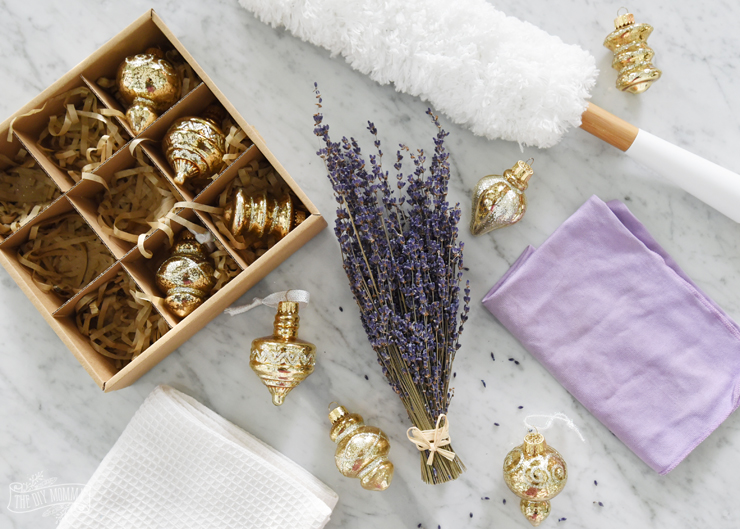
The Christmas Decorations Taking the time to put away your decorations with care will make next year’s decorating so much simpler and more fun!
donate or discard any old or broken decorations
label storage boxes clearly
store decorations by room in durable boxes
ensure that delicate, breakable ornaments are protected
wrap Christmas lights around recycled wrapping paper tubes or pieces of cardboard to keep them from getting tangled
The Gifts Being intentional about gift storage and making room for new things will keep your home clutter-free.
determine a storage spot for all new gifts
donate or discard any old toys, books, clothes etc. (purge one or two items for each gift received!)
recycle Christmas cards after saving all of the mailing addresses; keep some for Christmas crafts for next year
The Food There’s often excess food after Christmas parties, so make the most of it!
prepare and freeze any leftovers to use for meals in the new year (i.e. cut turkey into bite-sized pieces for soups and sandwiches)
make a meal plan for after the Holidays that’s easy and makes use of leftovers (like slow cooker meals and freezer meals)
The Cleaning Doing an intentional deep clean post-Christmas will get you off to a fresh start in the New Year.
deep clean the kitchen, paying special attention to the Holiday high-use items:
the cabinet doors
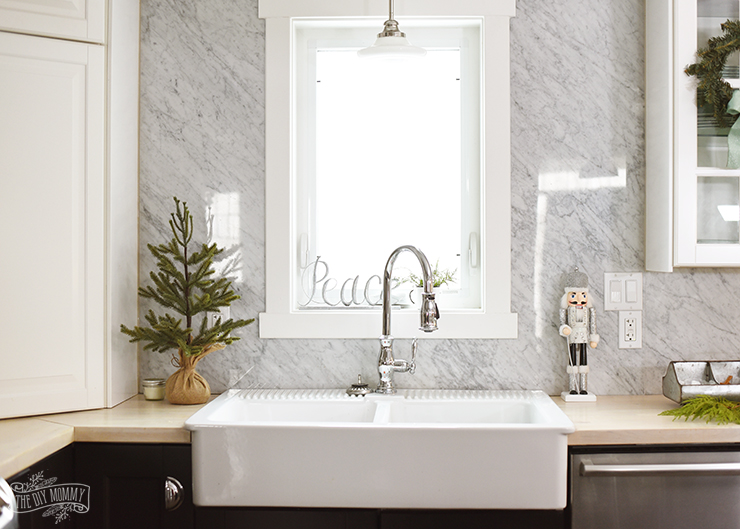
the back splash
the fridge
the stove
clean the guest room after your guests have gone
clean the main living areas and check for and treat stains from any Holiday parties
deep clean the bathrooms, especially a main floor powder room that would have received lots of use
The Maintenance Keep your home protected and safe for your family, as well as energy efficient.
clean or replace your furnace air filters as needed
test your smoke detector and replace batteries as needed
check the exhaust duct of your clothes dryer and clean as needed
dust or vacuum your refrigerator coils
inspect your fire extinguisher and ensure it’s easily accessible
This is a big checklist, but I think it’s a thorough list that will help get us organized, ready, and safe for the New Year! Don’t worry about doing all of the items immediately. Simply go through the list as you have time after your big Christmas get-togethers to help get your home in tip-top shape.
It can be pretty easy to spot some of the most common causes of a cluttered home, from the array of kids’ toys all over the floor to the small army of appliances on your kitchen counter. But even after you’ve gotten rid of all that stuff, your home may still feel a bit too cluttered, thanks to some pretty surprising culprits.
If you’re ready to take that next step to a more calming home, see what the experts say may cause your home to feel overwhelming—and the quick steps you can take to make your home feel serene once and for all.
Cian Ballentine, professional cleaner and founder of Cannonball Cleaners
Katrina Teeple, professional organizer and founder of Operation Organization
01 of 07
Your Entryway Is Cluttered
Your entryway is the first thing you see on entering your home, and it sets the stage for everything that comes after it. “Keeping lots of shoes by the door will make footwear the first thing you and guests focus on, rather than the beauty of your home,” says Katrina Teeple, professional organizer and founder of Operation Organization.
Your fix: Because the entryway is typically a major drop zone in your home, you’ll need to stay vigilant to declutter, Teeple says. “Taking 10 minutes twice a week for ‘Tidy Time’—grabbing a laundry basket and thinning out the items in your entryway—will keep this area clutter-free.” That includes putting extra jackets in the closet, moving out-of-season items elsewhere, and reducing the number of shoes stored at the door. For a really serene entryway, Teeple suggests investing in a shoe cabinet or a bench with bins underneath to stash shoes.
02 of 07
You’re Into a Maximalist Decor Style
We all love a bit of maximalism—but if you’re looking for a calmer, less cluttered vibe for your home, a massive gallery wall and a mountain of pillows may not get you there. “Things on walls without a real purpose or anchor also feels like clutter,” says Becky Rapinchuk, creator of Clean Mama. “Don’t put things up just to fill a space.”
Your fix: Here’s a perfect opportunity to use that Marie Kondo decluttering strategy, and edit down the decor to only the items that really bring you joy. “Make sure it makes you happy and makes sense in your space,” Rapinchuk says.
03 of 07
Your Fridge Is Cluttered
Your fridge may need a major declutter—and we’re not talking about the interior. “It may be time to retire the look of novelty fridge magnets, grocery list notepads, and dare I say, your kids’ art from the fridge,” Teeple says.
Your fix: Move your must-have items from your fridge to inside a cupboard door. “That way, when you go for your favorite mug to drink coffee each morning, you’ll be greeted with sticky note reminders and your child’s latest drawing of a dinosaur,” Teeple suggests.
04 of 07
You Have Too Many Things on Your Surfaces
Clearing your counters and tabletops is essential for a more serene vibe at home. “It’s important to keep surfaces clean and clear,” Rapinchuk says. “This gives the home an overall feeling of calm.”
Your fix: Start with a really clean slate, Rapinchuk says. “To test this out, completely clear a surface and live with it empty for as little as 24 hours. See how it feels and slowly add items back in until if feels just right.”
05 of 07
You Don’t Have Enough Seating
Too little of something may seem like a strange thing that creates a cluttered vibe. But when guests have nowhere to sit, that can give off a bad impression. “Not having obvious places for company to sit down always feels cluttered to me,” says Cian Ballentine, professional cleaner and founder of Cannonball Cleaners.
Your fix: You may need to overhaul your furniture configuration—or add some unexpected seating, such as storage ottomans under a console—to provide easy-to-grab seating when friends arrive.
06 of 07
You’re Drowning in Doom Piles
Creating piles or baskets filled with stuff you don’t have time or energy to deal with may make your home feel a bit less cluttered in the short-time—but unless they’re dealt with, those piles can quickly weigh down the feeling of your home.
Your fix: Use doom piles only as a very temporary solution—such as scooping clutter into a basket when unexpected guests arrive. But make sure you make time to deal with the doom pile and make it disappear.
07 of 07
You Don’t Have Enough Storage
Even the best decluttering job won’t help much if you don’t have the right places to actually store the items you’re keeping. If storage space is at a premium in your house—too small closets, too few cupboards—you’ll need to figure out other spots that can house your items.
Your fix: Look for smart ways to incorporate more storage into your space. Think storage ottomans, closed baskets or boxes on bookshelves to hold small items, or even sneaky storage suggestions like putting out-of-season clothes or bedding into suitcases.
“Add storage furniture that is not only functional, but blends with your home’s aesthetic—like an affordable cubby shelving unit with decorative baskets behind a couch,” Teeple says. This provides a spot to stash your kids’ toys so they’re accessible but hidden out of sight.
If your clothes take forever and a day to dry, it might be high time you learned how to clean the dryer vents. Ask yourself, honestly, when was the last time you did it. Maybe never? No, we’re not talking about the screen inside the dryer. We’re talking about the silver tube that carries all that hot, wet air outside.
These vents can get clogged with lint, which will keep your dryer from functioning properly. As a result, the dryer will not only take longer to dry clothes, it will also jack up your electric bill and your risk of a house fire. It’s kind of a lose-lose-lose proposition. According to the U.S. Fire Administration, there are about 2,900 dryer fires a year, and they cause an estimated five deaths, 100 injuries, and $35 million in property loss. The leading cause of those fires? Failure to clean dryer vents.
If that doesn’t get you running toward your dryer, we don’t know what will.
OK, we’ve done our part, now you do yours. Here are the steps, plus pics, on how to clean those dryer vents.
Tools you’ll need
Screwdriver or nut driver
Dryer vent brushes
Vacuum cleaner with hose
Unplug your dryer
Pull your dryer out a foot or two for easier access, and unplug it. This is extremely important, especially for those of you who like being alive. If your dryer runs on gas, carefully disconnect that as well.
Disconnect the vent
On the back of your dryer, there is a clamp that’s attached to the vent. Undo that clamp with a screwdriver or nut driver, then slide the vent off.
Remove the vent from the back of the dryer.
(HomeAdditionPlus/YouTube)
Reach into the opening in the back of the dryer and clear out the lint there. You might want to insert a vacuum hose to extract everything.
Clean the vent from inside your home
The dirtiest parts of the dryer vent are the foot or two on each end. Greenleaning consultant Leslie Reichert recommends using a dryer vent brush (like a Casabella brush) to clean inside the vent to remove built-up lint. Clean as far down as possible; to clean even deeper, you can use a brush with a long, flexible handle (say, about 10 feet long).
“Work the brush up inside as far as you can go,” she says. “The brush will latch onto the lint and drag it out of the vent pipes.”
After that, you could insert the attachment hose of a vacuum cleaner into the vent to pull out any remaining dust and lint.
Vacuum up the lint from the dryer vent.
(HomeAdditionPlus/YouTube)
Reattach the vent to the dryer and tighten the clamp back on. Be careful not to push the dryer back too close to the wall, Reichert warns, because that can collapse the vent and cut off exhaust.
Clean the vent from outside
If you live in a house, you probably have access to your dryer vent from the outside. Start by removing the vent cover, unscrewing it and removing any caulk with a utility knife as needed.
Reach into the vent with a brush and remove built-up lint. If you have an outdoor vacuum, insert the hose to vacuum out lint from there as well. Clean lint from the cover.
Remove the cover from the outdoor dryer vent.
(HomeAdditionPlus/YouTube)
Before replacing the cover, return to the dryer, plug it back in, and run it on fluff for a few minutes. This will help blow out any loosened lint. After about 10 minutes, turn the dryer off, place the cover back on the outside vent, and recaulk the edges to keep out drafts.
While you’re cleaning the vent, you might want to throw the dryer screen in the dishwasher. Why?
“The dryer screen gets clogged with fabric softener and oils from dryer sheets,” says Reichert. Those oils can also prevent safe airflow. She prefers to use fabric softener sparingly and avoids dryer sheets for this reason.
If all goes well and you’ve done your job right, your dryer should be in good shape. Reichert recommends cleaning your dryer vents seasonally, or four times a year, even if you can see exhaust coming from the outside vent. Better to be safe than sorry, right?
Tackling these projects now will set you up for an even better New Year.
The holidays can be a great time to take on renovations or organizational projects around the house. A lot can be done with a few extra days off. From small tasks like decluttering the pantry to bigger maintenance tasks like deep cleaning the carpets, you can make big progress on your home improvement checklist. Of course, bigger renovations require advance planning to ensure contractors and supplies are available, but other projects are a perfect use of your extra time off. Here are ten home projects to tackle over your holiday breaks.
Test water quality
Checking water quality is one of those home maintenance tasks that’s easy to forget. But it never hurts to test the mineral content or hardness of your water, especially if you’re hosting guests for the holidays. “Testing your water is an easy, indoor home project to complete over the holidays,” says Chris Counahan, president at LeafFilter Gutter Protection. Purchase a water testing kit and follow the package instructions by filling a glass of water and dipping the testing stick in to assess the quality. “If your tests find hard water or contaminants, consider calling a professional to install a whole-home reverse osmosis system to ensure clean water throughout your home,” Counahan says.
Refresh the walls
Whether it’s wallpapering a feature wall in the primary bedroom or giving the bathroom a fresh coat of paint, try refreshing your interior walls over the holiday break. Painting projects can easily be done in a couple of days, depending on the size of the room, so they’re perfect for completing over a long holiday weekend. Wallpapering can be done in around a maximum of 8 hours, again depending on the size and number of walls you’re tackling. So, if you’ve been pondering a wall upgrade, the holiday break is the perfect time to check it off the list.
Patio or deck maintenance
For homes not covered in snow during the holiday season, exterior maintenance should be top of the to-do list. “Holiday breaks offer a great opportunity for homeowners to freshen up their outdoor spaces, and catch up on deck maintenance,“ says Michelle Hendricks, Deckorators’ category marketing manager. Cleaning rust stains, tightening railings or loose joints, reorganizing the deck box, or even refinishing deck wood can all be done over the course of a few days.
Deep clean floors and carpets
Not all home projects for the holidays have to be renovations—deep cleaning is just as important. High-traffic areas like hardwood floors and carpets can always use a deep cleaning. Aside from the usual sweeping and vacuuming, try using the wet vac for carpets and rugs. Target baseboards and try a carpet cleaner, especially in high-traffic areas used by people and pets.
Add insulation
Holiday breaks are the perfect time to work on energy-efficient upgrades. “With the colder temperatures that arrive before the holidays, homeowners inevitably start noticing how well their home holds up against the elements,” says DR Richardson, co-founder of Elephant Energy. “For many homeowners, that is the perfect time of the year to weatherize their homes by adding air sealing or extra insulation,” he says. Try weatherstripping to seal gaps where air can enter, window caulking to seal gaps or cracks, or adding insulation—professionally or DIY—to basements, garages, or attics.
Declutter
With days off on holiday break, there’s extra time to look around and notice items you no longer need. Spend some time decluttering neglected areas of your home. Closets, pantries, and home offices are often home to lots of outdated junk. Decluttering can make it easier to find items you really do need and to keep spaces clean. It’s also worthwhile to tidy spaces before guests come over for holiday celebrations. Try tackling one room at a time and have a plan. Have a pile for what you’ll keep, trash, and donate. For clothing and furniture, try organizing a pickup from a charity, so you’ll have a deadline for completion and no excuse to wave goodbye to items that will be put to better use elsewhere.
Revisit Landscaping
If you’re tired of spending time inside, it’s worth considering what upgrades you can make outdoors. Revisit your landscaping and outdoor living spaces. “Additions like outdoor heaters, fire pits, and lighting will help extend the use of your outdoor living space throughout the seasons,” says Hendricks. These features can make the outdoor space more comfortable just in time for the holidays. Lawncare, repotting plants, cleaning outdoor furniture, refreshing mulch, or finishing hardscaping features can set you up for success in the warmer months.
Upgrade light fixtures
Another easy project to take on during the holiday break is to upgrade indoor lighting. Get a new fixture above the dining table, bring a new lamp to the living room, or replace sconces in the bathroom. Replacing or refreshing lighting fixtures can completely transform the look and feel of your home. Usually, putting up simple task lighting does not require a professional technician, so you can try this fix yourself. If you need an electrician or lighting specialist, use the holidays to call around, visit showrooms, and finally place your orders.
Clean the fireplace and chimney
If your home has one, your fireplace will be the focal point of the holiday season. Cleaning up the fireplace area is more complicated than it looks. Even minor renovations can make a huge difference. Small upgrades include re-tiling the floor and redecorating the mantle. Cleaning the chimney, however, is a professional job. Doing regular maintenance can prevent allergens and fire hazards. Remember to plan and call ahead, as pros in your neighborhood may be in high demand this time of year.
Refresh the cabinets
Are your kitchen cabinets looking worse for wear? Refresh or refinish them this holiday season. Try replacing hardware, repainting, or refinishing cabinet faces. If you’re happy with the outside of your cabinets, try reorganizing the inside. Refreshing kitchen cabinets can bring new life into your space without hiring a professional to replace them. The same applies to bathroom vanities and storage cabinets, which are often neglected.
Part of the fun of Halloween is dressing up your home with the spookiest decor and doling out candy for eager trick-or-treaters. But what happens if someone walks through your yard on Halloween night and gets injured? It’s an unfortunate but realistic scenario that can have a number of consequences for homeowners. Worst-case—and scariest—scenario? Someone brings a lawsuit claiming that a trick-or treater got injured on your property. Would you be liable for this claim?
Under the law, if a porch light is on, trick-or-treaters are considered to be invited visitors, and it is a homeowner’s responsibility to have a property free of hazards. If anyone who enters your property on Halloween night gets injured, most homeowners insurance policies will cover minor injuries.
However, homeowners could be liable if trick-or-treaters are injured on their property if it can be proven that they were negligent in causing or contributing to that injury, says Jared B. Staver of Staver Accident Injury Lawyers, in Chicago.
For example, he says, a large crack in your walkway would be hard for someone to see in the dark. If a person tripped and broke a bone, he may claim you were negligent for not posting a warning sign and bringing attention to the crack.
“There is a reasonable expectation that you will receive visitors on Halloween. As a result, taking a few precautions will help guarantee the safety of trick-or-treaters and protect the homeowner,” says Christopher Layton of the Layton Law Firm, in Charlotte, NC.
To ensure a happy—and hazard-free—Halloween for all, here are some important questions homeowners should ask themselves before the trick-or-treaters come around.
Is the outdoors well-lit?
Make sure outdoor lights are bright and your yard is well-lit for little ghosts and goblins. Motion sensors are a good way to illuminate the house.
“Walkways should have lighting, and porches should be illuminated. If there are any danger zones, they should be well-marked and indicated with lighting as well,” says Staver.
Glow-in-the-dark or solar lighting is often not enough for late-night Halloween adventures, he cautions. Homeowners should instead invest in high-powered wattage.
Also, avoid using real candles in carved pumpkins or paper lanterns, since they are a fire hazard. Instead, opt for faux candles with LED bulbs.
Are there any tripping hazards?
It’s a good idea for homeowners to consider how children will enter and exit their property, says attorney Robert Fisher Jr., a partner at Edgar Snyder & Associates, in Pittsburgh.
“There’s a good chance that kids won’t always use your walkway, come to the door, grab the candy, go back down the walkway, and then enter the sidewalk in a direct path. It is more likely they will cut through the yard and use shortcuts. Keep your yard clear, and mark any potential hazards,” he advises.
This means fixing loose bricks and or cracks on pathways, or at least pointing them out with a sign, so kids won’t trip on them.
Scott Holeman, a spokesman for theInsurance Information Institute in New York, also recommends removing any leaves or branches from the path to your home.
More elaborate decorations like inflatables may require electricity, which means you will have to run an extension cord through your yard. It’s best to keep these tripping hazards as far away from walkways as possible and make it clear that trick-or-treaters should stay on the walkways. You can do this with a makeshift fence or luminary bags with LED lights.
To eliminate the need for trick-or-treaters to even walk through your yard, Layton suggests setting up a table at the end of your driveway and handing out candy from there.
“This saves the eager kids a long walk up to the front door, and helps the homeowner by reducing the potential for injuries on the property,” says Layton.
Are my decorations intended to scare people or make them jump?
We don’t blame you for wanting to go all-out when decorating for Halloween, but to minimize the potential for injury, it’s probably wise to go easy on the scary special effects. These can cause jump scares and could result in someone tripping and falling. Strobe lights and fog machines, two popular features used in elaborate Halloween decorations, also have the potential to cause problems like seizures and asthma attacks.
Are the steps to my home unobstructed and slip-resistant?
Remove plants and other objects from your steps. If the weather report says it could be a rainy night, apply friction tape to the steps to make them less slippery. And if you experience an early freeze, make sure to have ice-melt on hand to de-ice your steps.
Are pets secured out of the way?
Even the most well-behaved pets can be unpredictable and react to harmless trick-or-treaters. That’s why it’s best to keep your pets indoors.
“If you have pets, you should keep them in a separate room from the entry. With heavy activity, they could become frightened. To avoid potential bites or pet escapes, it is recommended that they be confined to another area in your home,” says Holeman.
It’s worth noting that if a dog bites a visitor, the homeowner is generally liable for the incident, according to Staver.
“Many homeowners insurance policies have dog bite clauses and cover these situations as long as the homeowner revealed that they owned a dog when obtaining the policy,” he says.
Should I skip the homemade treats?
If you are giving out homemade candies, cookies, or other treats, you may be liable for injuries due to illnesses such as allergic reactions to peanuts.
Layton says despite the loving care that goes into homemade treats, Halloween is not the right time for them.
“Kids will go home with so much candy, and if they are injured by any of it, you, the homeowner, want to be able to simply point to the manufacturer of the treat, rather than be singled out as the person who gave out the handmade treats,” says Layton.
Although your homeowners policy covers injuries on your property such as slip and fall, it likely won’t cover a food-related illness. Bottom line: Stick to store-bought candy.
Thanks!
Please fill out the form below and we will be contacting you shortly with information about your home.