

When possible and appropriate for the transaction, I like to begin the conversation about California seller disclosures before your home is exposed to buyers.
Why?
Because information about a property can influence a buyer’s decision.
I’d rather have a prospective buyer understand relevant information about the home while they’re evaluating it than discover something later and ask:
“Why didn’t anyone tell me this?”
Providing required disclosures at the appropriate time can give prospective buyers an opportunity to review important information about the property as they decide whether and how they want to proceed.
It also means that when a buyer is considering an offer, they may be doing so with more information available to them.
That can be valuable for everyone involved.
Quick Answer: Why Should Sellers Think About Disclosures Before Listing?
California home sellers may have disclosure obligations involving known facts and conditions affecting the property.
Starting the disclosure conversation before listing can give sellers time to gather information, think through the property’s history, locate relevant documentation, and ask questions before buyers are already making decisions.
It can also help reduce the chance that important property information becomes an unexpected issue after an offer is accepted.
The goal isn’t to speculate or disclose things you don’t know. It’s to accurately address what you do know and obtain appropriate guidance when you’re unsure.
Could Early Disclosures Help Reduce Problems After You Accept an Offer?
This is where disclosure preparation connects directly to your selling strategy.
Imagine receiving an exciting offer on your Orange County or Los Angeles County home.
You accept it.
Then the buyer learns something important about the property that wasn’t previously addressed.
Depending on the facts, contract, and applicable requirements, that could create:
- Questions
- Buyer concerns
- Additional investigations
- Requests for information
- Further negotiations
- Delays
- Other transaction issues
That’s why I don’t view seller disclosures as paperwork that simply needs signatures.
They’re an important part of the transaction.
The goal is to provide required disclosures accurately and appropriately so buyers can evaluate the property with relevant information.
What Should You Tell Your Listing Agent Before Selling Your Home?
Before your home goes on the market, think about what you know regarding the property’s history and condition.
You may want to discuss things such as:
- Water leaks or intrusion
- Roof issues
- Plumbing repairs
- Electrical work
- HVAC problems
- Structural concerns
- Pest or termite issues
- Insurance-related damage
- Additions or modifications
- Major repairs
- Drainage or grading concerns
- Problems involving appliances or systems included in the sale
- Disputes or issues involving the property
- Other known conditions that may affect the property
This isn’t an exhaustive legal checklist.
Every property and transaction is different.
But the important question shouldn’t be:
“Can I get away without mentioning this?”
A better question is:
“Is this something I should discuss while preparing my disclosures?”
Should You Disclose Repairs You’ve Made to Your Home?
This is a common seller question.
Maybe you’ve:
- Repaired a leak
- Replaced a water heater
- Changed electrical components
- Repaired plumbing
- Modified part of the property
- Added improvements
- Repaired damage
- Completed other work during your ownership
Don’t automatically assume something is irrelevant simply because it happened years ago or because you believe the problem was corrected.
Whether a particular fact needs to be disclosed can depend on the circumstances and applicable requirements.
That’s exactly why I want sellers to bring the history up during disclosure preparation instead of deciding on their own that it no longer matters.
When in doubt, ask before deciding to leave something out.
Should You Disclose Something That Has Already Been Repaired?
Don’t automatically assume that repairing an issue means its history is irrelevant.
For example, suppose your home previously experienced a significant leak.
You repaired the source.
You repaired the resulting damage.
Everything appears fine now.
That doesn’t necessarily mean you should simply forget that the event occurred.
Tell your real estate professional:
- What happened
- Approximately when it happened
- What you know about the issue
- What repairs were performed
- What documentation you may still have
Then the situation can be addressed appropriately based on the circumstances.
This is another reason seller preparation matters.
“Christine, Do I Really Need to Disclose That?”
I’ve heard versions of this question many times.
Here’s the principle I want homeowners to remember:
If You’re Wondering Whether Something May Need to Be Disclosed, Bring It Up
Don’t decide on your own:
“It was fixed, so it doesn’t matter.”
Or:
“That happened years ago.”
Or:
“The buyer probably won’t care.”
Tell me about it.
Then we can determine the appropriate next step.
When the question requires legal interpretation or advice, you may need guidance from a qualified California real estate attorney or other appropriate professional.
I’d much rather have that conversation before listing than after your property is already in escrow.
Why “Disclose, Disclose, Disclose” Is Part of My Seller Education
One of the principles behind my seller education is:
“Disclose, disclose, disclose.”
That doesn’t mean filling out paperwork with speculation or making statements about things you don’t actually know.
It means taking disclosure responsibilities seriously and being forthcoming about known information that should appropriately be addressed.
In general, you disclose based on what you actually know.
If you don’t know something, don’t pretend that you do.
And don’t intentionally hide something you know simply because you’re concerned that a buyer may view it negatively.
Accurate disclosure is part of a professionally managed real estate transaction.
What If You Don’t Know About a Problem With Your Home?
Sellers sometimes worry:
“What if something is wrong with the house and I genuinely don’t know about it?”
That’s different from knowing about an issue and intentionally failing to address it.
Your responsibility isn’t to invent defects or claim knowledge you don’t have.
You should answer disclosure questions carefully and accurately based on your actual knowledge and the requirements applicable to your transaction.
And when you don’t understand a question?
Ask.
Don’t guess.
Should You Gather Repair Records and Documentation Before Listing?
If you have relevant records, gathering them before listing can make the disclosure-preparation process easier.
Depending on your property’s history, that could include:
- Repair invoices
- Contractor receipts
- Permits or approvals you have
- Warranty information
- Insurance-related documents
- Pest or termite reports
- Roof records
- Plumbing or electrical invoices
- Documentation relating to additions or improvements
Not every document will necessarily need to be provided in every transaction.
But organizing what you already have can help you and the appropriate professionals understand the property’s history more clearly.
When Should You Start Preparing California Seller Disclosures?
I prefer to discuss disclosures as part of the pre-listing preparation process when appropriate.
Ideally, this happens before you’re trying to:
- Finalize marketing
- Schedule photography
- Hold showings
- Review offers
- Open escrow
That gives you more time to remember property history, gather documentation, and ask questions.
Waiting until a buyer is already deeply interested can create unnecessary pressure.
Disclosure Preparation Is Only One Part of Getting Your Home Ready to Sell
This is also why I believe the best time to contact your listing agent isn’t the day before you want your property on the MLS.
There is work we can do beforehand.
When I meet with an Orange County or Los Angeles County homeowner, I want to understand:
- Your property
- Your goals
- Your timeline
- The home’s condition
- Known property history
- Disclosure preparation
- Pricing
- Positioning
- Property preparation
- Marketing
- Showing strategy
- Offer strategy
- Negotiation
- What happens once we enter escrow
Selling your home is a process.
My role is to help you understand and navigate that process from preparation through closing.
How Do Disclosures Connect With Your Home Marketing Strategy?
Once we’ve worked through preparation, we can focus on presenting and marketing the property.
My approach may combine traditional real estate marketing with modern digital marketing strategies, depending on the individual home and listing plan.
That can include:
- Professional property presentation
- MLS exposure
- Professional photography
- Video marketing
- Social media content
- Listing-specific digital advertising
- Online promotion
- Database marketing
- Open houses when appropriate
- Agent communication
- Follow-up
But effective marketing starts with accurate positioning.
I don’t want to market a property one way only for important information to surprise a buyer later.
Preparation, disclosure, marketing, negotiation, and transaction management should complement one another.
Why Hire Christine Almarines to Sell Your Home?
When choosing a listing agent in Orange County or Los Angeles County, don’t only ask:
“How are you going to advertise my house?”
Also ask:
“How are you going to help me prepare for the entire transaction?”
That’s an important distinction.
I’m Christine Almarines with CA Real Estate Group | Caliber Real Estate, with more than 20 years of real estate experience.
My approach is about more than putting your home into the MLS.
I want to:
- Help you prepare
- Educate you about the process
- Discuss disclosures before they become an afterthought
- Help position the property appropriately
- Develop a marketing strategy
- Help you evaluate offers
- Discuss negotiation options
- Guide the transaction once you’re under contract
Your property, goals, priorities, and timeline are individual to you.
Your selling strategy should be too.
Schedule a No-Obligation Home Seller Consultation and Listing Strategy Session
If you’re thinking about selling your home in Orange County or Los Angeles County, don’t wait until you’re ready to put a sign in the yard.
Contact me earlier.
During a seller consultation and listing strategy session, we can discuss:
- Your home
- Your goals
- Your desired timeline
- Property preparation
- Known property history
- Disclosures
- Potential pricing and positioning
- Marketing
- Offers
- Negotiations
- The overall selling process
If there’s something about your property that has you wondering:
“Am I going to have to disclose this?”
Bring it up.
Those are exactly the conversations worth having before your home goes on the market.
Take Christine Almarines’ Sure Seller Course
Maybe you’re thinking about selling but aren’t ready to meet yet.
I’ve also created my Sure Seller Course to help homeowners begin educating themselves about the selling process.
Start the Sure Seller Course
Start the Sure Seller Course →
Start learning now.
Then contact me when you’re ready to build a selling strategy around your individual property and goals.
Frequently Asked Questions About California Seller Disclosures
What do I have to disclose when selling my house in California?
California sellers may have statutory and contractual disclosure obligations depending on the property, transaction, and circumstances.
These can include known material facts and conditions affecting the property.
Sellers should complete required disclosures carefully and obtain appropriate professional guidance when they have questions about a particular issue.
Should I disclose an old problem if I already repaired it?
Don’t automatically assume a previous issue is irrelevant simply because it was repaired.
Tell your real estate professional about the history and discuss how it should be addressed in your disclosures based on the circumstances.
Should I tell my listing agent about every problem I know about?
Tell your agent about known property conditions and history that may be relevant to the transaction.
If you’re wondering whether something matters, raise it rather than deciding on your own to omit it.
What if I don’t know about a defect?
Sellers generally answer disclosure questions based on their actual knowledge and the requirements applicable to the transaction.
They shouldn’t invent information they don’t know.
If you’re uncertain how to answer a disclosure question, seek appropriate professional guidance rather than guessing.
When should I start completing seller disclosures?
Christine prefers to begin discussing disclosures during the pre-listing preparation process when appropriate rather than treating them as an afterthought after a buyer is already interested.
Why can early disclosures matter when selling a home?
Giving buyers required information at the appropriate time can help them evaluate the property with more knowledge and may reduce the chance that important property information becomes an unexpected issue later in the transaction.
Should I disclose repairs made years ago?
Don’t automatically assume the history is irrelevant because time has passed.
Discuss prior repairs and property history with your real estate professional so the appropriate disclosure approach can be considered based on the facts and applicable requirements.
Should I save receipts and repair records before selling?
If you have repair invoices, permits, warranties, contractor receipts, or other property records, organizing them before listing may help with your disclosure preparation.
Whether a particular document should be provided depends on the transaction and circumstances.
Does Christine Almarines help sellers prepare for disclosures?
Yes.
As part of the listing process, Christine helps sellers understand the real estate disclosure process and organize relevant information.
When a question requires legal advice or interpretation, sellers may need to consult an appropriate California attorney or other qualified professional.
Does Christine Almarines sell homes in Orange County and Los Angeles County?
Yes.
Christine Almarines with CA Real Estate Group | Caliber Real Estate serves homeowners throughout Orange County, Los Angeles County, Buena Park, Cerritos, and surrounding Southern California communities.
Does Christine Almarines offer a seller consultation?
Yes.
Homeowners can contact Christine for a seller consultation and listing strategy session to discuss their property, goals, preparation, disclosures, positioning, marketing, offers, negotiation, and selling timeline.
Does Christine Almarines offer a home seller course?
Yes.
Christine’s Sure Seller Course is available online at:
Thinking About Selling Your Orange County or Los Angeles County Home?
Don’t make disclosure preparation something you think about after an offer arrives.
Start before you list.
Let’s talk about your property.
Let’s discuss what you know about its history and condition.
Let’s prepare your selling strategy.
Then we can focus on positioning, marketing, generating buyer interest, evaluating offers, negotiating, and navigating the transaction toward closing.
If you’re considering selling a home in Orange County, Los Angeles County, Buena Park, Cerritos, or surrounding Southern California communities, call or text me to schedule a seller consultation and listing strategy appointment.
Contact Christine Almarines
If you’re thinking about selling and want to know how your home should be positioned in today’s market, I’d be happy to help.
Take the Sure Seller Course
Start the Sure Seller Course →
Christine Almarines is a real estate agent serving homeowners in Buena Park and Cerritos and helping sellers throughout Orange County, Los Angeles County, and Southern California.
If you’re considering selling your home, call or text Christine at (714) 476-4637 and schedule your seller consultation and listing strategy session before putting your property on the market.
Prepare first. Disclose appropriately. Market strategically. Negotiate intelligently.
No one cares how much you know until they know how much you care.
Contact Christine Almarines
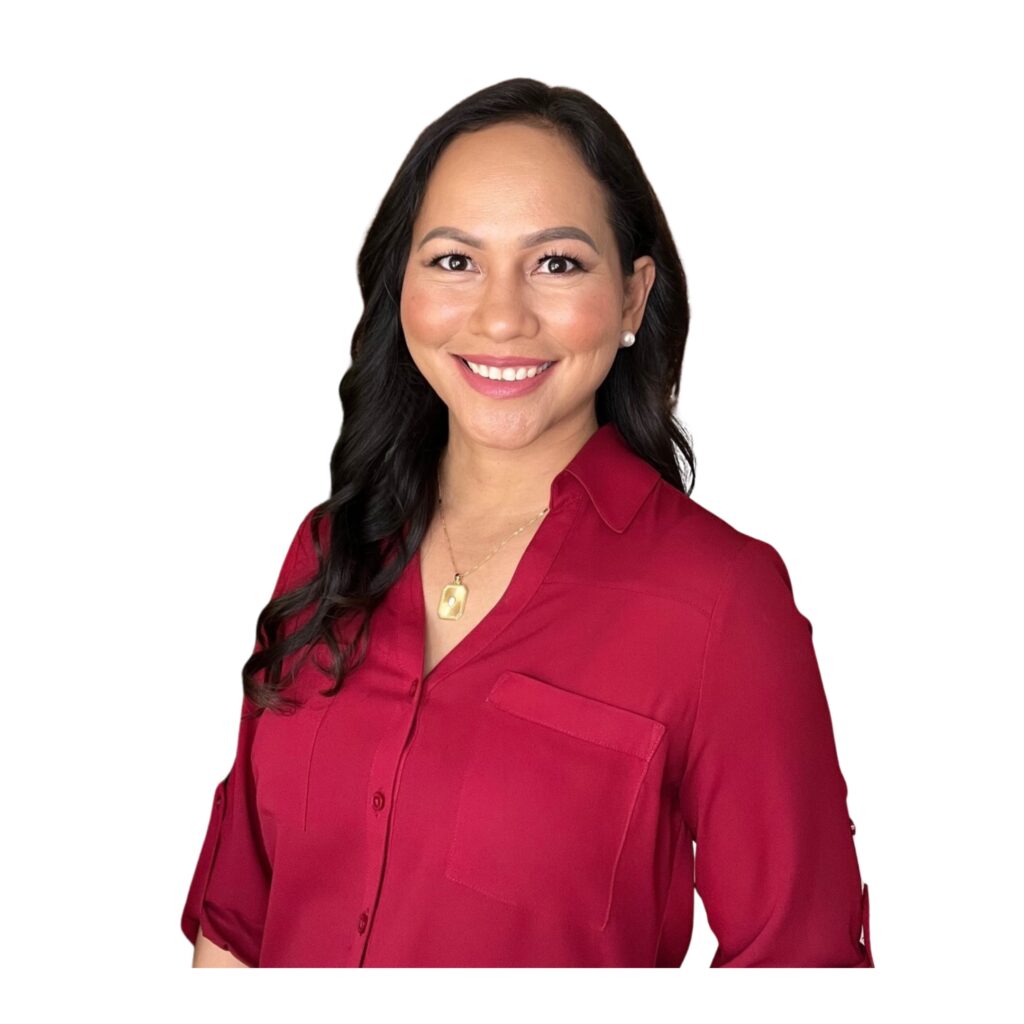
Christine Almarines
Real Estate Agent
CA Real Estate Group | Caliber Real Estate
Phone: (714) 476-4637
Email: christine@carealestategroup.
California DRE #: 01412944
Serving home buyers and sellers in Buena Park, Cerritos, Orange County, Los Angeles County, and surrounding Southern California communities.
This article provides general real estate information and is not legal, tax, or financial advice. California disclosure requirements depend on the property, transaction, facts, and applicable law. Sellers with questions about their legal disclosure obligations should consult an appropriately qualified California real estate attorney or other professional.